

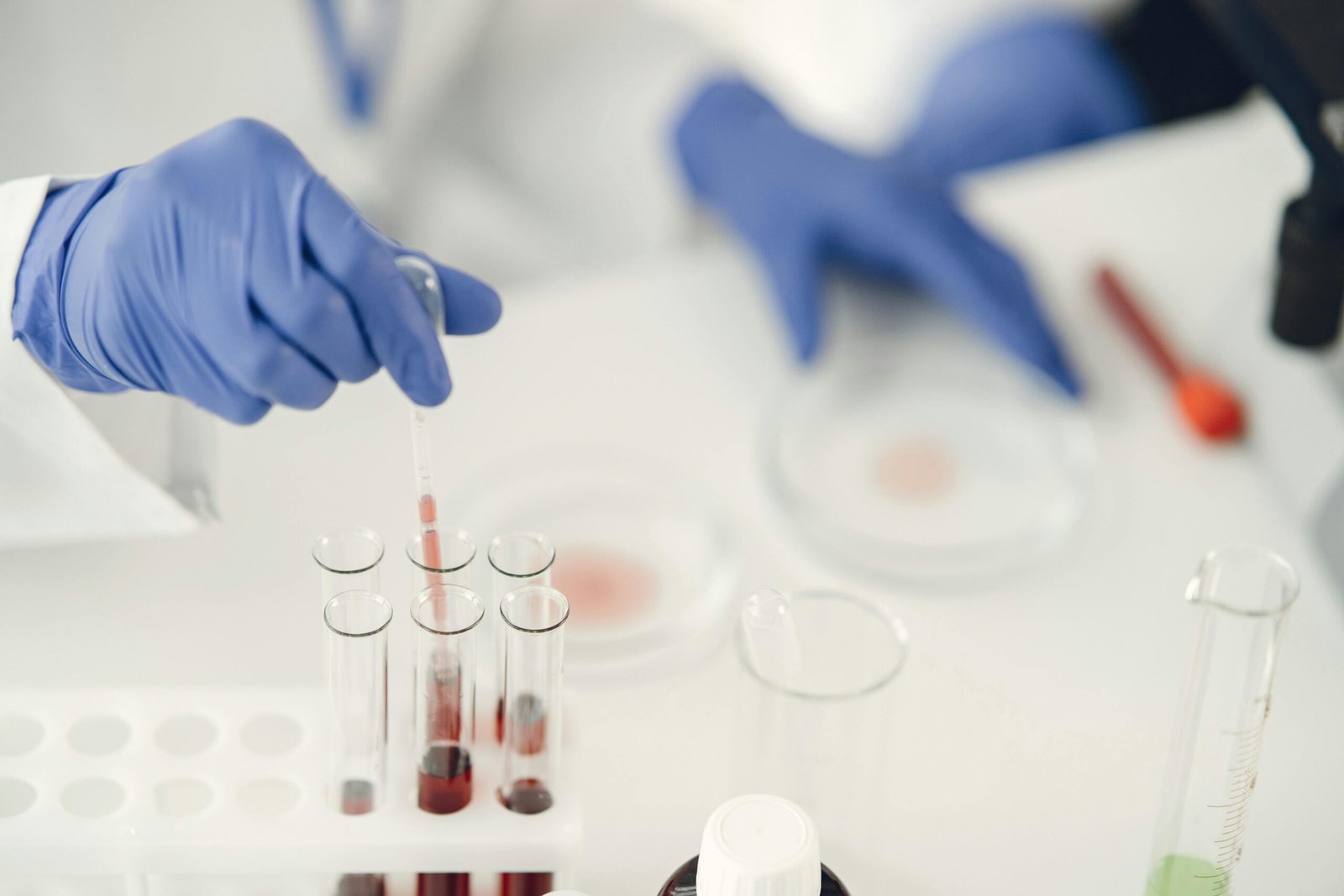
그리고 화장품 등록 및 신고 테스트를 위한 작업 사양 는 중화인민공화국 내 화장품 등록 및 신고와 관련된 모든 테스트 활동에 적용됩니다. 여기에는 미생물 테스트, 물리화학 테스트, 독성 테스트, 인체 안전성 및 효능 평가가 포함됩니다.
표 1: 미생물학적 검사 항목
| 테스트 항목 | 일반 화장품 ①② | 특수 화장품: 탈모 방지 ② | 특수 화장품 헤어 염색 ③ | 특수 화장품: 헤어 퍼머링 | 특수 화장품: 기미 제거/미백 | 특수 화장품: 자외선 차단제 |
| 총 플레이트 수 | ○ | ○ | ○ | ○ | ||
| 총 곰팡이 및 효모 수 | ○ | ○ | ○ | ○ | ||
| 내열성 대장균 박테리아 | ○ | ○ | ○ | ○ | ||
| 황색포도상구균 | ○ | ○ | ○ | ○ | ||
| 슈도모나스 아에루기노사 | ○ | ○ | ○ | ○ |
참고:
- 매니큐어 리무버는 미생물 검사가 필요하지 않습니다.
- 에탄올 함량이 $\ge$ 75%(w/w)인 제품은 미생물학적 검사가 필요하지 않습니다.
- 물리적 제모 제품 및 비산화성 염모제는 미생물학적 검사가 필요합니다.
- ○ 는 필수 테스트 항목을 나타냅니다.
표 2: 물리화학적 테스트 항목
| 테스트 항목 | 일반 화장품 | 탈모 방지 | 헤어 염색 | 헤어 파마 | 기미 제거 / 미백 | 자외선 차단제 |
| Mercury | ○ | ○ | ○ | ○ | ○ | ○ |
| Lead | ○ | ○ | ○ | ○ | ○ | ○ |
| 비소 | ○ | ○ | ○ | ○ | ○ | ○ |
| 카드뮴 | ○ | ○ | ○ | ○ | ○ | ○ |
| 티오글리콜산 | ○ | |||||
| UV 필터 ⑤ | ○ | |||||
| 염색약 | ○ | |||||
| pH 값 ⑥ | ○ | ○ |
물리화학적 테스트 요구 사항에 대한 참고 사항:
- 메탄올: 다음 콘텐츠가 결합된 제품에는 테스트가 필요합니다. 에탄올 및 이소프로판올은 $\ge$ 10%(w/w).
- 다이옥산: 다음과 같은 원재료가 포함된 제품에 대해서는 테스트가 필요합니다. 에톡시 구조 를 함유하고 있습니다.
- 석면: 다음이 포함된 제품에는 테스트가 필요합니다. 활석 가루 를 원료로 사용합니다.
- 무료 포름알데히드: 다음이 포함된 제품에는 테스트가 필요합니다. 포름알데히드 또는 포름알데히드 방출제.
- 화학 UV 필터: For 선스크린이 아닌 제품 포뮬러에 화학 자외선 필터가 포함된 경우, 특정 자외선 필터가 존재하는지 확인하기 위해 테스트를 수행해야 합니다.
- $\알파$-하이드록시산(AHA) 및 pH 값: * 테스트 대상 $\알파$-하이드록시산 그리고 pH 값 를 함유하고 있다고 주장하거나 총 AHA 농도가 $\ge$ 3%(w/w) (청구하지 않은 경우에도).
- 순수 오일 기반 제품 (왁스 기반 포함)는 pH 값 테스트가 면제됩니다.
- 다음으로 구성된 제품의 경우 여러 구성 요소 함께 사용하는 경우, 사용 설명서에 따라 준비된 최종 혼합물뿐만 아니라 각 개별 성분에 대한 pH 값을 테스트해야 합니다.
- 비듬 방지제: 특정 비듬 방지제에 대한 테스트는 제형에 포함된 원료의 신고된 용도가 다음과 같은 제품에는 필요합니다. 비듬 방지제.
- UVA 차단: 제품 주장 UVA 차단 또는 광범위한 스펙트럼의 자외선 차단 는 UVA 차단 매개변수, 특히 임계 파장 또는 PFA 값.
- 특별 패키징 샘플링: 샘플링이 불가능하거나 포장으로 인해 테스트 결과에 영향을 미칠 수 있는 완제품의 경우(예 에어로졸/스프레이 또는 쿠션 제품), 회사는 다음과 같은 정보를 제공할 수 있습니다. 반제품 제조 공정의 마지막 단계부터 완전한 완제품 샘플과 함께. 테스트 기관은 최종 검사 보고서에 이를 명시해야 합니다.
표 3: 일반 화장품에 대한 독성 테스트
| 테스트 항목 | 헤어 케어(아이 컨택) | 스킨 케어(일반) | 피부 관리(아이 컨택) | 메이크업(일반) | 메이크업(눈) | 입술 |
| 급성 피부 자극 | ○ | ○ | ||||
| 급성 눈 자극 | ○ | ○ | ○ | |||
| 다양한 피부 자극 | ○ | ○ | ○ | ○ |
독성 테스트 요건에 대한 참고 사항:
목욕 제품: 목욕/샤워 제품 는 급성 눈 자극 테스트를 거쳐야 합니다.
제품 범위: 표에 구체적으로 언급되지 않은 제품의 경우 실제 조건에 따라 테스트 항목을 결정해야 합니다. 제품의 특정 용도 및 카테고리에 따라 항목이 증가하거나 감소할 수 있습니다.
네일 제품: 수리 그리고 컬러 코팅 네일(발톱 네일) 제품은 독성 테스트가 필요하지 않습니다.
화학 UV 필터: 다음이 포함된 제품의 경우 $\ge$ 0.5% (w/w) 화학적 자외선 필터(린스 오프 제품, 향수, 매니큐어 제외), 피부 광독성 그리고 피부 민감성 표에 나열된 표준 항목에 추가하여 테스트를 수행해야 합니다.
린스 오프 스킨 케어: 린스 오프 스킨 케어 제품에는 급성 피부 자극 테스트; 여러 번의 피부 자극 테스트가 필요하지 않습니다.
눈 자극 면제: 리브온 헤어 케어 제품 및 눈썹 메이크업 (예: 아이브로우 펜슬/파우더)는 급성 눈 자극 테스트가 필요하지 않습니다.
표 4: 특수 화장품에 대한 독성 테스트
| 테스트 항목 | 탈모 방지 | 헤어 염색 | 헤어 파마 | 기미 제거 / 미백 | 자외선 차단제 |
| 급성 눈 자극 | ○ | ○ | ○ | ||
| 급성 피부 자극 | ○ | ||||
| 다양한 피부 자극 | ○ | ○ | ○ | ||
| 피부 민감성 | ○ | ○ | ○ | ○ | ○ |
| 피부 광독성 | ○ | ○ | ○ | ||
| 에임스 테스트 / 염색체 수차 | ○ | ○ ⑥ |
- 특수 화장품의 독성 테스트에 대한 참고 사항:
- 일반 규칙: 표에서 구체적으로 다루지 않은 제품의 경우 실제 상황에 따라 테스트 항목을 결정해야 합니다. 특정 용도 및 제품 범주에 따라 테스트 항목이 증가하거나 감소할 수 있습니다.
- 눈 자극: 기미 제거/미백 그리고 자외선 차단제 눈에 닿을 가능성이 있는 제품은 반드시 급성 눈 자극 테스트를 거쳐야 합니다.
- 린스 오프 제품: 린스 오프 제품에는 급성 피부 자극 테스트; 다중 피부 자극 테스트는 필요하지 않습니다.
- 광독성: 탈모 방지, 자외선 차단제, 기미 제거 제품 외에도 모든 제품은 화학적 자외선 필터 함량 $\ge$ 0.5%(w/w) (향수 및 매니큐어 제외)도 피부 광독성 테스트를 거쳐야 합니다.
- 유전자 독성 옵션: 또는 박테리아 역변이 테스트(에임스 테스트) 또는 체외 포유류 세포 유전자 돌연변이 테스트 를 선택할 수 있습니다.
- 비산화성 염모제: 비산화성 염모제는 박테리아 역변이 테스트와 시험관 내 포유류 세포 염색체 이상 테스트가 면제됩니다.
- 멀티 컴포넌트 제품: 혼합할 두 가지 이상의 부품으로 구성된 제품은 사용 설명서의 사용 방법에 따라 테스트해야 합니다. 안전에 영향을 미치는 농도나 비율이 다른 여러 가지 사용 방법이 있는 경우, 각 시나리오 는 관련 독성 테스트를 거쳐야 합니다.
표 5: 인체 안전성 평가 항목
| 테스트 항목 | 일반 화장품 | 탈모 방지 | 헤어 염색 | 헤어 파마 | 기미 제거 / 미백 | 자외선 차단제 |
| 인체 피부 패치 테스트 | ○ | ○ | ||||
| 인체 사용 안전성 평가 | ○ |
인체 안전성 평가에 대한 참고 사항:
멀티 컴포넌트 제품: 두 개 이상의 부품이 혼합된 제품의 경우 사용 지침에 따라 테스트해야 합니다. 안전에 영향을 미치는 농도 또는 혼합 비율이 다른 여러 가지 사용 방법이 있는 경우 관련 각 특정 시나리오에 대해 인체 안전성 평가를 수행해야 합니다..
피부 패치 테스트: For 스팟 삭제 그리고 자외선 차단제 화장품의 경우, 인체 피부 패치 테스트 결과 자극이 나타나거나 해석이 어려운 경우 추가로 반복 개방형 애플리케이션 테스트(ROAT) 를 수행해야 합니다.
낮은 pH 제품: 리브온 제품 의 물리 화학적 테스트 결과와 함께 pH $\le$ 3.5, 또는 기업 표준에서 pH를 $\le$ 3.5로 설정한 제품은 인체 사용 안전성 평가를 받아야 합니다.
특정 린스 오프 클레임: 모두 린스 오프 제품 다음과 같은 효능을 주장합니다. 여드름 방지, 주름 개선 또는 기미 제거 는 인체 사용 안전성 평가를 받아야 합니다.
표 6: 유효성 평가 테스트 항목
| 제품 카테고리 | 테스트 항목 |
| 자외선 차단제 | SPF 결정, PFA/PA 결정, 내수성(해당되는 경우). |
| 기타 | 필요한 항목 화장품 효능 클레임 평가를 위한 기술 가이드라인. |
유효성 평가 테스트에 대한 참고 사항:
기타 특별 청구: 제품 주장 기미 제거/미백, 탈모 방지 또는 새로운 효과 는 해당 효능 테스트를 거쳐야 하며 식품의약품안전처에서 정한 요건에 따라 공식 시험성적서를 발급받아야 합니다. 화장품 효능 클레임 평가를 위한 기술 가이드라인.
SPF 테스트: 제품 주장 자외선 차단 (자외선 차단제)는 자외선 차단 지수(SPF) 값을 테스트해야 합니다.
UVA 차단: * 라벨이 부착된 제품 PFA 값 또는 PA+에서 PA로++++ 는 자외선 차단 지수(PFA) 테스트를 받아야 합니다.
제품 주장 UVA 차단 또는 광범위한 스펙트럼의 자외선 차단 에 대해 테스트해야 합니다. 임계 파장 또는 PFA 값.
방수 기능: 자외선 차단 제품이 다음과 같이 주장하는 경우 “방수”, “땀에 강함” 또는 “수영 및 기타 야외 활동에 적합” 청구된 저항 수준 또는 지속 시간에 따라 규정된 방법에 따라 방수 기능을 테스트해야 합니다.
비선스크린 제품: For 자외선 차단 기능이 없는 화장품 화학 자외선 필터의 총 함량은 다음과 같습니다. $\ge$ 0.5% (w/w) (린스 오프 제품, 향수 및 매니큐어 제외), 테스트는 SPF 값 가 필요합니다.
멀티 컴포넌트 제품: 혼합할 두 가지 이상의 부품으로 구성된 제품은 사용 설명서의 사용 방법에 따라 테스트해야 합니다. 안전에 영향을 미치는 농도나 비율이 다른 여러 가지 사용 방법이 있는 경우, 각 시나리오 는 관련 인체 효능 평가 테스트를 거쳐야 합니다.