





Nord America

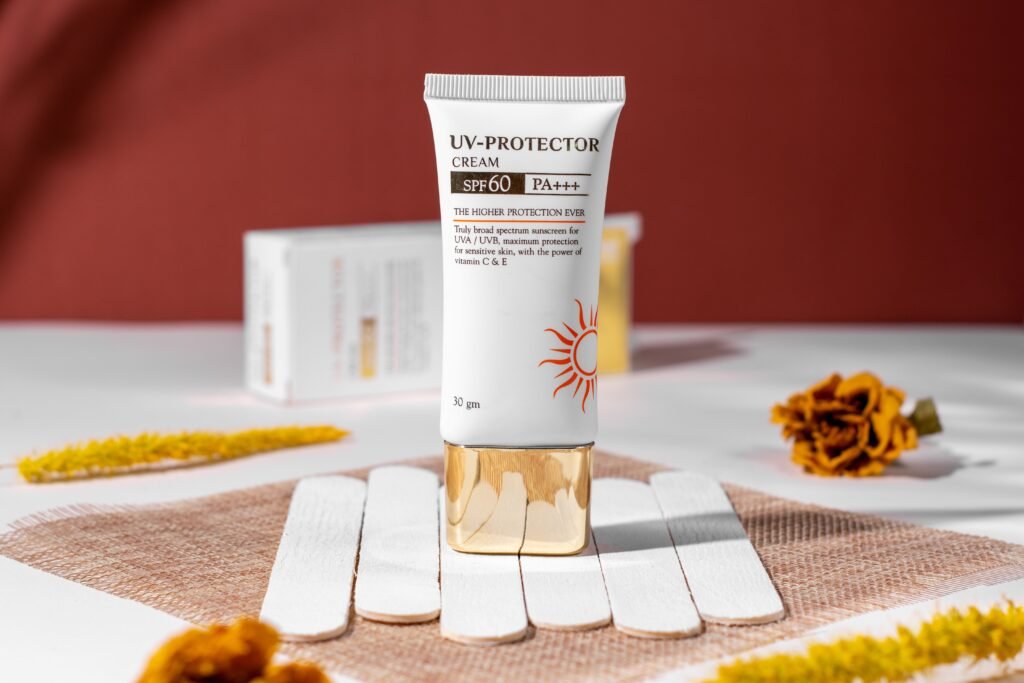
White cosmetic containers and small vase on a pink background showcasing modern design and simplicity.
STATI UNITI D'AMERICA

The Virginia State Humane and Toxin-Free Cosmetics Act: New Prohibitions on High-Risk Ingredients

The Virginia General Assembly introduced a significant legislative proposal designated as House Bill 122 (HB 122), titled the Virginia State Humane and Toxin-Free Cosmetics Act. This legislation amends existing trade laws to prohibit the manufacture, sale, and distribution of cosmetic products containing specific hazardous chemical substances within the Commonwealth. I. Core Legislative Provisions 1. Establishment of the “Toxin-Free Cosmetics” Article The bill introduces Article 2 (“Toxin-Free Cosmetics”) into Chapter 52 of Title 59.1 of the Code of Virginia, establishing a structured framework across the following statutory sections: 2. Schedule of Prohibited Chemical Substances Pursuant to § 59.1-574.2, no individual or corporate entity may manufacture, sell, deliver, offer for sale, or utilize in consumer transactions any cosmetic product containing the following intentionally added substances: No. Banned Substance Name CAS Registry Number 1 Dibutyl phthalate 84–74–2 2 Di(2-ethylhexyl) phthalate 117-81-7 3 Formaldehyde 50–00–0 4 Paraformaldehyde 30525-89-4 5 Methylene glycol 463-57-0 6 Quaternium-15 […]

The Virginia State Humane and Toxin-Free Cosmetics Act: New Prohibitions on High-Risk Ingredients Read More »

Three cosmetic items displayed against a neutral background for elegant product photography.
Canada

Starting April 2026: Health Canada Requires Disclosure of Fragrance Allergens on Cosmetic Labels

With the continuous global rise in cosmetic regulatory transparency, Health Canada has recently implemented significant updates to the Cosmetic Regulations (SOR/2024-63), requiring the disclosure of fragrance allergen information on cosmetic labels. This update not only impacts the Canadian market but also aligns more closely with European Union (EU) regulations. What does this update mean for brands and consumers? Let’s take a look. Key Requirements and Allergen Disclosure Standards The primary goal of Canada’s fragrance allergen disclosure is to align with European Union (EU) standards, ensuring that consumers—particularly those with fragrance sensitivities—can clearly identify specific allergens rather than seeing them grouped under the generic terms “Parfum” or “Fragrance.” According to the new regulations, specific fragrance allergens must be listed individually on the label only when their concentration exceeds the following thresholds: The Evolution of Transparency: From “Fragrance” to Precise Disclosure For years, the term “Fragrance” provided a safeguard for businesses, allowing

Starting April 2026: Health Canada Requires Disclosure of Fragrance Allergens on Cosmetic Labels Read More »

STATI UNITI D'AMERICA

La FDA lancia il sistema unificato di monitoraggio degli eventi avversi (AEMS)

On March 11, 2026, the U.S. Food and Drug Administration (FDA) officially announced the launch of the Adverse Event Monitoring System (AEMS). This brand-new unified platform and interactive public data dashboard is designed to analyze and process adverse event reports with greater efficiency. The system is scheduled to be fully operational by the end of May 2026. This transition will bring significant changes to the industry landscape and the way the public accesses data. Here is the core information you need to know: A “Unified” Era: Covering All Regulated Products The launch of AEMS marks a major milestone in the FDA’s data integration efforts. It will provide real-time adverse event reporting across all FDA-regulated product categories, including: Retiring Legacy Systems To achieve this integration, the FDA will decommission several aging, decentralized reporting systems across various centers. The new AEMS will directly replace the following well-known platforms: By consolidating these systems

La FDA lancia il sistema unificato di monitoraggio degli eventi avversi (AEMS) Read More »

Canada

Ultime notizie: Health Canada sposta l'indicazione della concentrazione di allergeni dei profumi da “obbligatoria” a “facoltativa”.”

On March 9, 2026, Health Canada announced a pivotal adjustment to the upcoming fragrance allergen disclosure requirements for cosmetics, offering significantly greater flexibility to the industry. Core Change: Concentration Reporting Moves from “Mandatory” to “Optional” Important Exception: Concentrations Still Required for “Hotlist” Ingredients Please note that this “relaxation” policy does not apply to all substances! If a fragrance allergen is also classified as a restricted substance on the Cosmetic Ingredient Hotlist, and its restriction is tied to specific concentration limits (e.g., Eucalyptus, Camphor, Methyl Salicylate), companies are still mandated to provide the exact concentration or the corresponding concentration range code in the CNF. Effective Date and Enforcement Timeline This provides businesses with a one-year “buffer period” to adapt their internal processes to the new requirements. Next Steps for Businesses Health Canada expects to update the CNF during the next system upgrade to allow for the submission of specific fragrance allergens

Ultime notizie: Health Canada sposta l'indicazione della concentrazione di allergeni dei profumi da “obbligatoria” a “facoltativa”.” Read More »

STATI UNITI D'AMERICA

La FDA pubblica relazioni sui PFAS e sull'accesso ai registri: La bozza di guida ufficiale deve essere rivista!

Entering 2026, the regulatory hammer of the U.S. Food and Drug Administration (FDA) has fallen in rapid succession. Within just three weeks, the FDA released two critical documents targeting PFAS (“forever chemicals”) and records access authority. The release of these documents is no coincidence; they are direct products of the comprehensive implementation of the Modernization of Cosmetics Regulation Act of 2022 (MoCRA). For companies exporting to the U.S., the threshold for compliance has been raised once again. I. PFAS Investigation Report: 51 Ingredients Named, Data Gaps Remain a Challenge On December 29, 2025, the FDA submitted its highly anticipated report on PFAS in cosmetics to Congress. This authoritative conclusion was derived from the first wave of product listing data under MoCRA. Core Findings: II. Records Access Guidance: What’s in the FDA’s “Inspection Kit”? On January 21, 2026, the FDA issued draft industry guidance regarding records access authority under Sections 605

La FDA pubblica relazioni sui PFAS e sull'accesso ai registri: La bozza di guida ufficiale deve essere rivista! Read More »