EUA

EUA

California’s SB 343 “Truth in Recycling” Law Arrives: A Comprehensive Analysis of Packaging Compliance for Cosmetic Brands

With growing consumer awareness of sustainability, the “recyclable” symbol has become a standard feature on cosmetic packaging. However, the era of misusing the “chasing arrows” recycling symbol for “greenwashing” is rapidly drawing to a close. California has enacted the nation’s first state law prohibiting the deceptive use of the chasing arrows recycling symbol—Senate Bill 343 (SB 343), also known as the “Truth in Recycling” or “Truth in Labeling” law. The statute’s original effective enforcement date was set for October 4, 2026, less than one month away. Despite recent legal developments causing temporary shifts in enforcement schedules, beauty brands cannot afford to drop their guard. This article provides an in-depth breakdown of SB 343’s core requirements and its profound impact on beauty packaging. I. The Core Requirement of SB 343: Regulating False Recyclability Claims It is crucial to clarify that SB 343 does not ban the sale of non-recyclable packaging. Rather,
California’s SB 343 “Truth in Recycling” Law Arrives: A Comprehensive Analysis of Packaging Compliance for Cosmetic Brands Leia mais »

EUA

Benchmarking the EU: Illinois Passes Legislation Banning 12 Categories of Cosmetic Ingredients

On July 10, 2026, the State of Illinois officially enacted the Chemicals in Cosmetic Products Act. The legislation aims to align state standards with prohibitions established under EU Regulation (EC) No 1223/2009 and its subsequent amendments regarding intentionally added chemical ingredients in cosmetics, signaling a growing trend toward global convergence in cosmetic safety regulation. Core Provisions of the Act Beginning July 1, 2028, except under specified circumstances, no entity or individual may manufacture, transport, store, or sell cosmetic products within the State of Illinois containing any of the following intentionally added ingredients: Exemption Criteria The act establishes a specific trace impurity exemption: if a cosmetic product is manufactured using processes designed to comply with the legislation, the presence of technically unavoidable trace amounts resulting from impurities in natural or synthetic ingredients, manufacturing processes, storage, or primary packaging shall not constitute a violation. Industry Impact and Outlook The passage of the

Benchmarking the EU: Illinois Passes Legislation Banning 12 Categories of Cosmetic Ingredients Leia mais »

EUA

2026 Cosmetic Market Access & MoCRA Compliance: A Comprehensive Guide

As one of the world’s most attractive and massive cosmetic markets, the United States—driven by its vast consumer base, vibrant domestic industry, and open reception to international brands—has always been a strategic stronghold for global beauty enterprises expanding their overseas footprint. However, opportunities come hand in hand with challenges. As modern U.S. cosmetic regulations advance, market entry barriers are undergoing their most profound transformation in decades. How can brands navigate compliance obligations and avoid regulatory red lines prior to commercialization? This guide provides an in-depth breakdown of the latest core compliance essentials for entering the U.S. cosmetic market. I. What is MoCRA? A New Era in U.S. Beauty Regulation The Modernization of Cosmetics Regulation Act of 2022 (MoCRA) represents the most historically significant restructuring of the U.S. Food and Drug Administration’s (FDA) regulatory authority over cosmetics in decades. The implementation of MoCRA marks a decisive shift in U.S. oversight from

2026 Cosmetic Market Access & MoCRA Compliance: A Comprehensive Guide Leia mais »

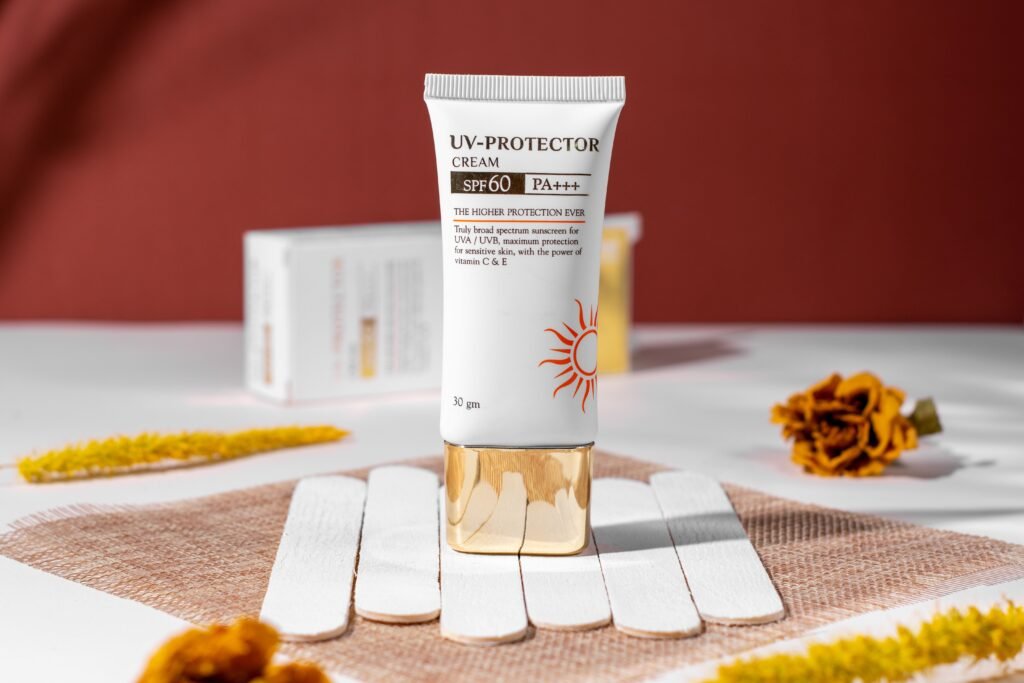
Close-up of SPF 60 UV protection cream for skincare, featuring floral accents and a natural setting.
EUA

FDA aprova oficialmente o ingrediente de protetor solar de próxima geração Bemotrizinol: Uma Nova Era para a Proteção Solar nos EUA Começa

Em 10 de junho de 2026, a Administração de Alimentos e Medicamentos dos Estados Unidos (FDA) emitiu uma decisão regulatória histórica — a Ordem Administrativa Final OTC000039. Essa ordem altera oficialmente a Monografia de Protetores Solares de Venda Livre (OTC) M020 para aprovar o uso do novo ingrediente ativo de protetor solar Bemotrizinol (Bis-etilhexiloxifenol metoxifenil triazina) em protetores solares de venda livre, na concentração máxima permitida de 6%. Isso marca a primeira vez em mais de duas décadas que um filtro UV químico verdadeiramente moderno e inovador foi adicionado à monografia de protetores solares dos EUA, sinalizando um marco monumental para o mercado americano de produtos de proteção solar. I. O que a FDA declarou? De acordo com a abrangente ordem administrativa final de 35 páginas, a FDA analisou minuciosamente os volumosos dados científicos de segurança e os comentários públicos apresentados pelo fabricante requerente, a DSM Nutritional Products. A agência concluiu formalmente que o bemotrizinol é Geralmente Reconhecido como Seguro e Eficaz (GRASE) para uso como ingrediente ativo em protetores solares em concentrações de até 6%. II. Dois fundamentos principais

FDA aprova oficialmente o ingrediente de protetor solar de próxima geração Bemotrizinol: Uma Nova Era para a Proteção Solar nos EUA Começa Leia mais »

White cosmetic containers and small vase on a pink background showcasing modern design and simplicity.
EUA

A Lei de Cosméticos Livres de Toxinas e de Bem-Estar Animal da Virgínia: Novas Proibições de Ingredientes de Alto Risco

A Assembleia Geral da Virgínia introduziu uma importante proposta legislativa designada como Projeto de Lei da Câmara 122 (HB 122), intitulado Ato de Cosméticos Livres de Toxinas e Humano do Estado da Virgínia. Esta legislação altera as leis comerciais existentes para proibir a fabricação, venda e distribuição de produtos cosméticos contendo substâncias químicas perigosas específicas dentro da Commonwealth. I. Disposições Legislativas Principais 1. Estabelecimento do Artigo “Cosméticos Livres de Toxinas” O projeto introduz o Artigo 2 (“Cosméticos Livres de Toxinas”) no Capítulo 52 do Título 59.1 do Código da Virgínia, estabelecendo um quadro estruturado nas seguintes seções legais: 2. Lista de Substâncias Químicas Proibidas De acordo com o § 59.1-574.2, nenhuma pessoa física ou jurídica pode fabricar, vender, entregar, oferecer para venda ou utilizar em transações de consumo qualquer produto cosmético contendo as seguintes substâncias adicionadas intencionalmente: Nº Nome da Substância Banida Número de Registro CAS 1 Dibutil ftalato 84–74–2 2 Di(2-etilhila) ftalato 117-81-7 3 Formaldeído 50–00–0 4 Paraformaldeído 30525-89-4 5 Glicol metileno 463-57-0 6 Quaternium-15

A Lei de Cosméticos Livres de Toxinas e de Bem-Estar Animal da Virgínia: Novas Proibições de Ingredientes de Alto Risco Leia mais »