




Launch Your Cosmetics in Thailand with Full Thai FDA Compliance
Cosmetic Notification · Local Notifying Party · Formula & Label Review · LPI & Import Compliance
What Overseas Cosmetic Brands Need in Thailand
- A qualified Thai notifying party or importer
- Thai FDA cosmetic notification
- Formula and ingredient compliance review
- Thai-language label compliance
- LPI and import clearance support
- A compliant Product Information File
Before Notification/Registration
Regulatory Background
Thailand’s cosmetics regulatory authority is the Agência de Alimentos e Medicamentos da Tailândia (FDA Tailandesa), which operates under the supervision of the Ministry of Public Health (MOPH). The Ministry of Public Health is responsible for establishing and implementing cosmetic regulations, requirements, and standards. As a member of ASEAN, Thailand aligns its regulatory framework with the region’s directives. To achieve this, Thailand enacted the Cosmetics Act B.E. 2558 (2015), which came into force on September , 2015. Since then, Thailand has established a comprehensive cosmetic notification system. Cosmetic notifications are valid for três anos. The Act establishes a regulatory system with a strong focus on post-market oversight, including inspections, product testing, and enforcement measures, thereby supporting the continued development of the cosmetic industry.
Definition of Cosmetics in Thailand
According to Section 4 of The Cosmetics Act B.E. 2558 (2015), “Cosmetics” means:
(1) Any substance or preparation intended to come into contact with the external parts of the human body (epidermis, hair system, nails, lips, and external genital organs) or with the teeth and the mucous membranes of the oral cavity, by means of application, rubbing, massaging, spraying, pouring, or any other method. The sole or primary purpose is to cleanse, perfume, alter appearance, correct body odors, protect, or keep these body parts in good condition. This excludes ornaments and clothing regarded as accessories external to the human body.
(2) Articles intended for use specifically as a component in the manufacture of cosmetics; and
(3) Other articles classified as cosmetics by Ministerial Regulations.
-
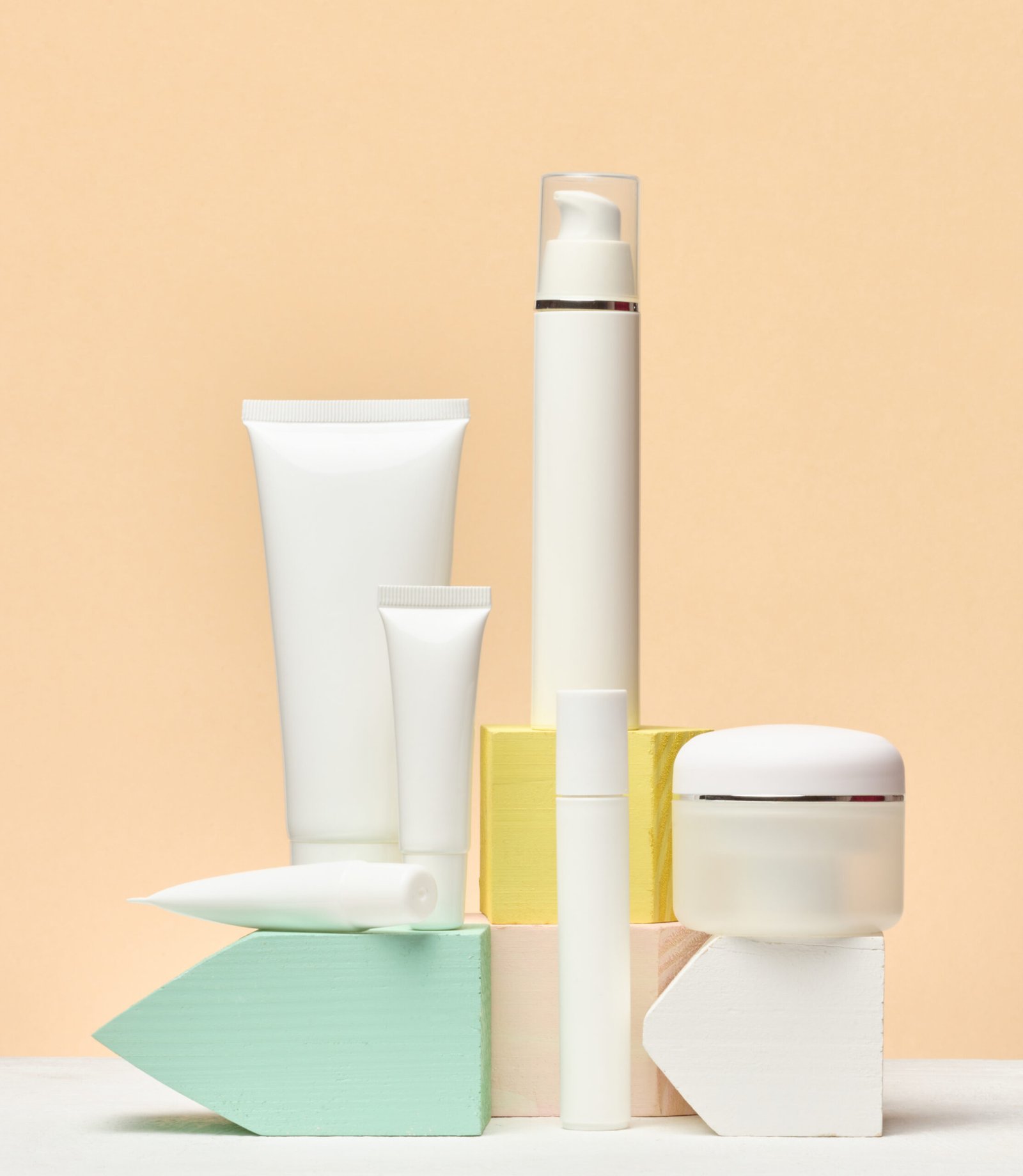
Examples of products considered cosmetics include, but are not limited to: facial creams, body lotions, soaps, shampoos, conditioners, toothpaste, mouthwash, lipstick, blush, eyeshadow, nail polish, hair dye, deodorant, perfume, cool towels/papers, sanitary napkins and tampons, oral deodorizing sprays, alcohol-based hand sanitizers, wet wipes, and other products designated by the competent authority.
Thailand Cosmetic Market Entry Process
Appoint a Local Thai Notifying Party
Obtain Thai FDA Operator License
Product Compliance Review
Cosmetic Notification Submission
Obtain Notification Certificate
Apply Thai Labeling
Apply for LPI
Customs Clearance & Import Inspection
Maintain PIF for Regulatory Inspection

Documentos Necessários
Product Notification/Registration:
- 7–14 Working Days (Low-Risk Products)
- 25–30 Working Days (High-Risk Products)
Document checklist
- Product English Label (Flat artwork of inner & outer packaging)
- Fórmula do Produto
- Power of Attorney / Letter of Authorization
- Product Name Explanation Letter
- GMP Certificate (ISO 22716)
- Trademark Registration Certificate (if applicable)
- Commercial Packaging Photos (3D view of inner & outer packaging)
- Contract manufacturing agreement (if OEM producation)
- Certificate of Free Sale (for some special cosmetic only)
Por que nos escolher
Achieve fast and compliant product notification in Thailand with local expertise.
Professional Facilities
Thailand-Based Regulatory Team
Comprehensive Resources
Soluções Abrangentes
Regulatory solutions to ensure your cosmetic products are fully compliant and ready for the Thailand market.
Expert guidance for cosmetic product notification and registration with the Thai Food and Drug Administration (FDA).
Comprehensive review to ensure labels meet Thai language requirements, mandatory content standards, and formatting regulations.
Agindo como sua Pessoa Responsável local e parceiro regulatório para garantir que seus produtos estejam em conformidade com as regulamentações cosméticas locais e os requisitos de mercado.
Evaluation of whether a product qualifies as a cosmetic under Thai law and determination of its applicable risk category.
Assistance in preparing or reviewing required compliance documents, including Power of Attorney, product declarations, and labeling documentation.
Interpretation of Thai cosmetic regulations, product classification rules, and updates on the latest regulatory developments.
Perguntas frequentes
What is the basic process for cosmetic product notification in Thailand?
The process includes:
Appointing or establishing a qualified Thailand-based responsible entity (such as an importer),
Submitting the product notification through the official online system with all supporting documents,
Undergoing review (automatic approval for low-risk products or manual review for high-risk products), and
Receiving the notification number and certificate (valid for 3 years).
Do all cosmetic products undergo manual review by the Thai FDA?
No. Low-risk products are typically approved automatically by the system (subject to possible post-audit). High-risk or complex products may be subject to manual review by the authority or committee evaluation.
How long does the notification process take?
Low-risk products: approximately 7-14 working days (excluding document preparation time and potential post-audit).
High-risk or complex products: approximately 25 working days (working days only).
Actual timelines may vary depending on document completeness and product characteristics.
Who can act as the responsible entity for cosmetic notification in Thailand?
Under Section 14 of the Cosmetics Act B.E. 2558 (2015), the following parties must obtain a notification receipt before they can manufacture, import, or sell cosmetics in Thailand:
Manufacturer (ผู้ผลิต) — if the product is produced domestically
Importer (ผู้นำเข้า) — if the product is imported
Subcontractor for manufacture (ผู้รับจ้างผลิต) — if manufacturing is outsourced
For imported products, the Thai importer is typically the entity holding the notification receipt and is therefore the party legally responsible for the product in the Thai market. The importer must ensure compliance with all requirements under the Act, including labeling (Section 22), product safety (Sections 27–28), and recall obligations (Section 48).
Is a Power of Attorney required?
Yes, for imported products. If the applicant is not the manufacturer or brand owner, a Power of Attorney issued by the overseas manufacturer or brand owner is required to authorize the Thai importer to register and sell the product in Thailand.
What are the requirements for the product formula submission?
The formula must:
Use INCI names for all ingredients,
Indicate the percentage of each ingredient,
Specify ingredient functions.
If the product contains special ingredients (e.g., cannabis extracts or nanomaterials), additional supporting documentation may be required.
Comece o seu Cadastro
Entre em contato com nossos especialistas regulatórios para discutir seu portfólio de produtos específico e estratégia de entrada no mercado.