




USA

USA

Benchmarking the EU: Illinois Passes Legislation Banning 12 Categories of Cosmetic Ingredients

On July 10, 2026, the State of Illinois officially enacted the Chemicals in Cosmetic Products Act. The legislation aims to align state standards with prohibitions established under EU Regulation (EC) No 1223/2009 and its subsequent amendments regarding intentionally added chemical ingredients in cosmetics, signaling a growing trend toward global convergence in cosmetic safety regulation. Core Provisions of the Act Beginning July 1, 2028, except under specified circumstances, no entity or individual may manufacture, transport, store, or sell cosmetic products within the State of Illinois containing any of the following intentionally added ingredients: Exemption Criteria The act establishes a specific trace impurity exemption: if a cosmetic product is manufactured using processes designed to comply with the legislation, the presence of technically unavoidable trace amounts resulting from impurities in natural or synthetic ingredients, manufacturing processes, storage, or primary packaging shall not constitute a violation. Industry Impact and Outlook The passage of the […]

Benchmarking the EU: Illinois Passes Legislation Banning 12 Categories of Cosmetic Ingredients Read More »

USA

2026 Cosmetic Market Access & MoCRA Compliance: A Comprehensive Guide

As one of the world’s most attractive and massive cosmetic markets, the United States—driven by its vast consumer base, vibrant domestic industry, and open reception to international brands—has always been a strategic stronghold for global beauty enterprises expanding their overseas footprint. However, opportunities come hand in hand with challenges. As modern U.S. cosmetic regulations advance, market entry barriers are undergoing their most profound transformation in decades. How can brands navigate compliance obligations and avoid regulatory red lines prior to commercialization? This guide provides an in-depth breakdown of the latest core compliance essentials for entering the U.S. cosmetic market. I. What is MoCRA? A New Era in U.S. Beauty Regulation The Modernization of Cosmetics Regulation Act of 2022 (MoCRA) represents the most historically significant restructuring of the U.S. Food and Drug Administration’s (FDA) regulatory authority over cosmetics in decades. The implementation of MoCRA marks a decisive shift in U.S. oversight from

2026 Cosmetic Market Access & MoCRA Compliance: A Comprehensive Guide Read More »

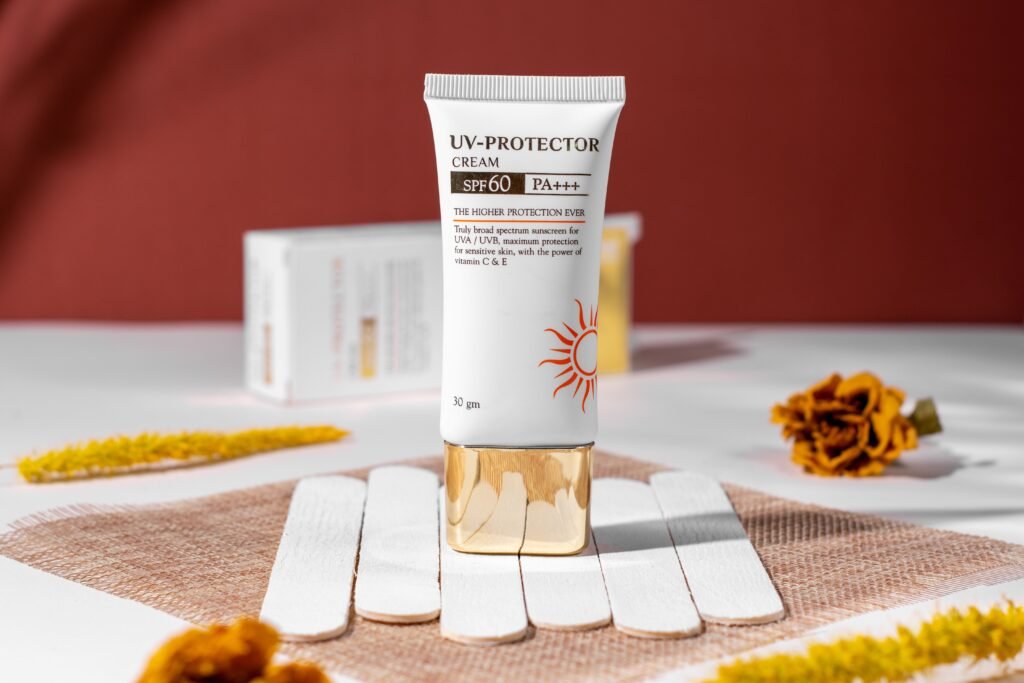
Close-up of SPF 60 UV protection cream for skincare, featuring floral accents and a natural setting.
USA

FDA Officially Approves Next-Generation Sunscreen Ingredient Bemotrizinol: A New Era for U.S. Sun Protection Begins

On June 10, 2026, the U.S. Food and Drug Administration (FDA) issued a landmark regulatory decision—Final Administrative Order OTC000039. This order officially amends Over-the-Counter (OTC) Sunscreen Monograph M020 to approve the use of the brand-new sunscreen active ingredient Bemotrizinol (Bis-Ethylhexyloxyphenol Methoxyphenyl Triazine) in OTC sunscreens at a maximum allowable concentration of 6%. This marks the first time in over two decades that a truly modern, innovative chemical UV filter has been added to the U.S. sunscreen monograph, signaling a monumental milestone for the American sun care market. I. What Did the FDA Declare? According to the comprehensive 35-page final administrative order, the FDA thoroughly reviewed voluminous scientific safety data and public comments submitted by the requesting manufacturer, DSM Nutritional Products. The agency formally concluded that Bemotrizinol is Generally Recognized as Safe and Effective (GRASE) for use as a sunscreen active ingredient at concentrations up to 6%. II. Two Core Foundations

FDA Officially Approves Next-Generation Sunscreen Ingredient Bemotrizinol: A New Era for U.S. Sun Protection Begins Read More »

White cosmetic containers and small vase on a pink background showcasing modern design and simplicity.
USA

The Virginia State Humane and Toxin-Free Cosmetics Act: New Prohibitions on High-Risk Ingredients

The Virginia General Assembly introduced a significant legislative proposal designated as House Bill 122 (HB 122), titled the Virginia State Humane and Toxin-Free Cosmetics Act. This legislation amends existing trade laws to prohibit the manufacture, sale, and distribution of cosmetic products containing specific hazardous chemical substances within the Commonwealth. I. Core Legislative Provisions 1. Establishment of the “Toxin-Free Cosmetics” Article The bill introduces Article 2 (“Toxin-Free Cosmetics”) into Chapter 52 of Title 59.1 of the Code of Virginia, establishing a structured framework across the following statutory sections: 2. Schedule of Prohibited Chemical Substances Pursuant to § 59.1-574.2, no individual or corporate entity may manufacture, sell, deliver, offer for sale, or utilize in consumer transactions any cosmetic product containing the following intentionally added substances: No. Banned Substance Name CAS Registry Number 1 Dibutyl phthalate 84–74–2 2 Di(2-ethylhexyl) phthalate 117-81-7 3 Formaldehyde 50–00–0 4 Paraformaldehyde 30525-89-4 5 Methylene glycol 463-57-0 6 Quaternium-15

The Virginia State Humane and Toxin-Free Cosmetics Act: New Prohibitions on High-Risk Ingredients Read More »

USA

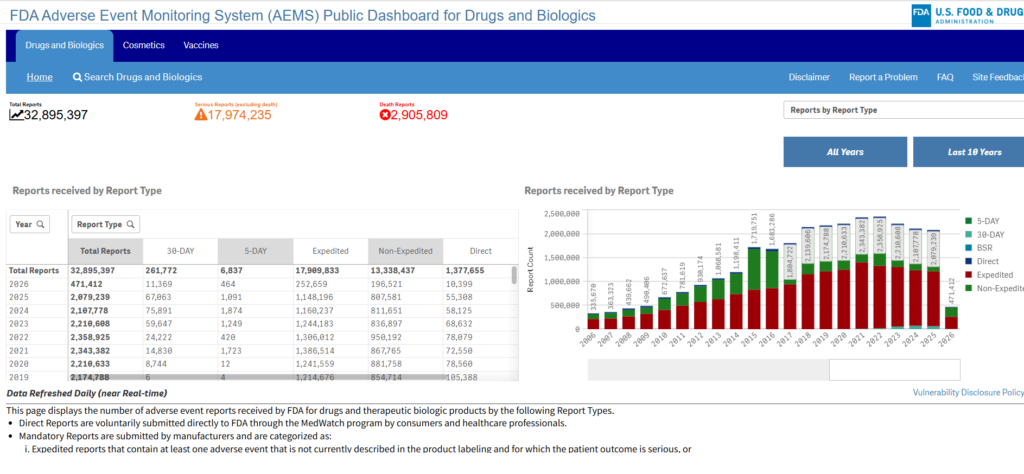
FDA Launches Unified Adverse Event Monitoring System (AEMS)

On March 11, 2026, the U.S. Food and Drug Administration (FDA) officially announced the launch of the Adverse Event Monitoring System (AEMS). This brand-new unified platform and interactive public data dashboard is designed to analyze and process adverse event reports with greater efficiency. The system is scheduled to be fully operational by the end of May 2026. This transition will bring significant changes to the industry landscape and the way the public accesses data. Here is the core information you need to know: A “Unified” Era: Covering All Regulated Products The launch of AEMS marks a major milestone in the FDA’s data integration efforts. It will provide real-time adverse event reporting across all FDA-regulated product categories, including: Retiring Legacy Systems To achieve this integration, the FDA will decommission several aging, decentralized reporting systems across various centers. The new AEMS will directly replace the following well-known platforms: By consolidating these systems

FDA Launches Unified Adverse Event Monitoring System (AEMS) Read More »