



The Virginia State Humane and Toxin-Free Cosmetics Act: New Prohibitions on High-Risk Ingredients

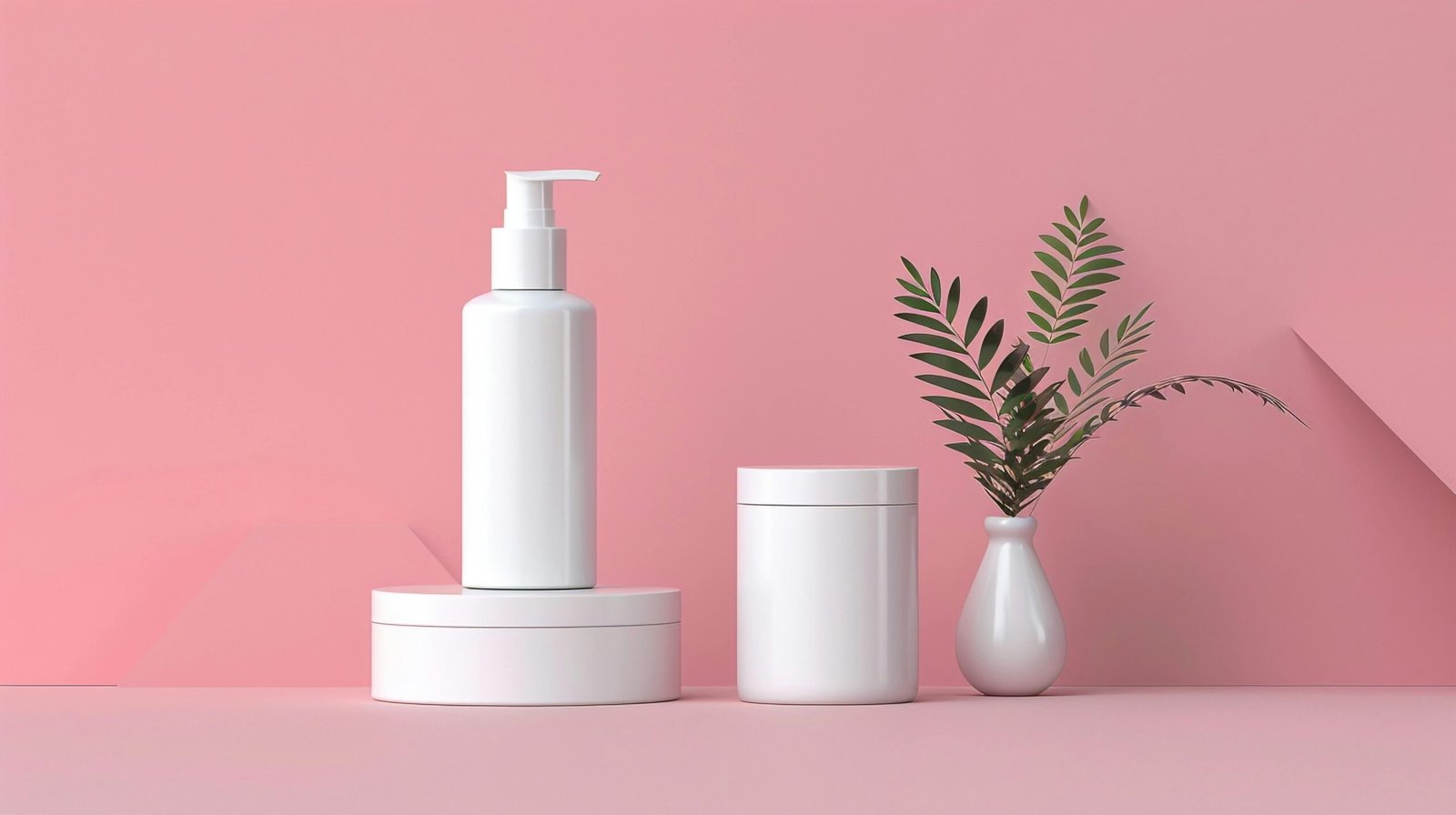
White cosmetic containers and small vase on a pink background showcasing modern design and simplicity.

The Virginia General Assembly introduced a significant legislative proposal designated as House Bill 122 (HB 122), titled the Virginia State Humane and Toxin-Free Cosmetics Act. This legislation amends existing trade laws to prohibit the manufacture, sale, and distribution of cosmetic products containing specific hazardous chemical substances within the Commonwealth.

I. Core Legislative Provisions

1. Establishment of the “Toxin-Free Cosmetics” Article

The bill introduces Article 2 (“Toxin-Free Cosmetics”) into Chapter 52 of Title 59.1 of the Code of Virginia, establishing a structured framework across the following statutory sections:

  • § 59.1-574.1: Definitions
  • § 59.1-574.2: Prohibited conduct
  • § 59.1-574.3: Enforcement and civil penalties
  • § 59.1-574.4: (Reserved)

2. Schedule of Prohibited Chemical Substances

Pursuant to § 59.1-574.2, no individual or corporate entity may manufacture, sell, deliver, offer for sale, or utilize in consumer transactions any cosmetic product containing the following intentionally added substances:

No.Banned Substance NameCAS Registry Number
1Dibutyl phthalate84–74–2
2Di(2-ethylhexyl) phthalate117-81-7
3Formaldehyde50–00–0
4Paraformaldehyde30525-89-4
5Methylene glycol463-57-0
6Quaternium-1551229-78-8
7Mercury7439–97–6
8Isobutylparaben4247-02-3
9Isopropylparaben4191–73–5
10m-Phenylenediamine and its salts108-45-2
11o-Phenylenediamine and its salts95-54-5
12Perfluoroalkyl and polyfluoroalkyl substances (PFAS) and their saltsMultiple (13 specific compounds detailed in the bill, including PFOS, PFOA, etc.)

Statutory Exception: A cosmetic product will not be deemed in violation of this article if it contains technically unavoidable trace quantities of the aforementioned substances. This applies provided the manufacturer has maintained good manufacturing practices and the presence is due to impurities in natural or synthetic ingredients, processing, storage, or packaging mechanics.

3. Statutory Integration and Existing Protections

Any violation of the “Toxin-Free Cosmetics” provisions constitutes an unlawful trade practice under the Virginia Consumer Protection Act (§ 59.1-200), invoking all associated consumer enforcement mechanisms.

Furthermore, the bill amends and reinforces the existing “Humane Cosmetics” statutes (§§ 59.1-571, 59.1-573, and 59.1-574), maintaining the state’s rigorous restrictions against testing cosmetics on animals.

II. Penalties and Enforcement Measures

  • Animal Testing Violations: Non-compliance with the “Humane Cosmetics” provisions subjects the violator to a civil penalty of up to $5,000 for the initial infraction, with an additional recurring fine of $1,000 per day for each day the violation continues.
  • Chemical Substance Violations: Non-compliance with the “Toxin-Free Cosmetics” restrictions will be prosecuted and penalized in strict accordance with the remedies and enforcement frameworks established under the Virginia Consumer Protection Act.

III. Legislative Timeline

  • January 2, 2026: Bill prefiled and ordered printed.
  • January 14, 2026: Officially offered and introduced to the legislature.
  • Committee Referral: Formally referred to the Committee on General Laws for initial regulatory evaluation and review.
ブログに戻る

ご質問がおありですか?

名称
電子メール
メッセージ
フォームは正常に送信されました!
フォーム送信時にエラーが発生しました。もう一度すべてのフォームフィールドを確認してください。.
関連記事