

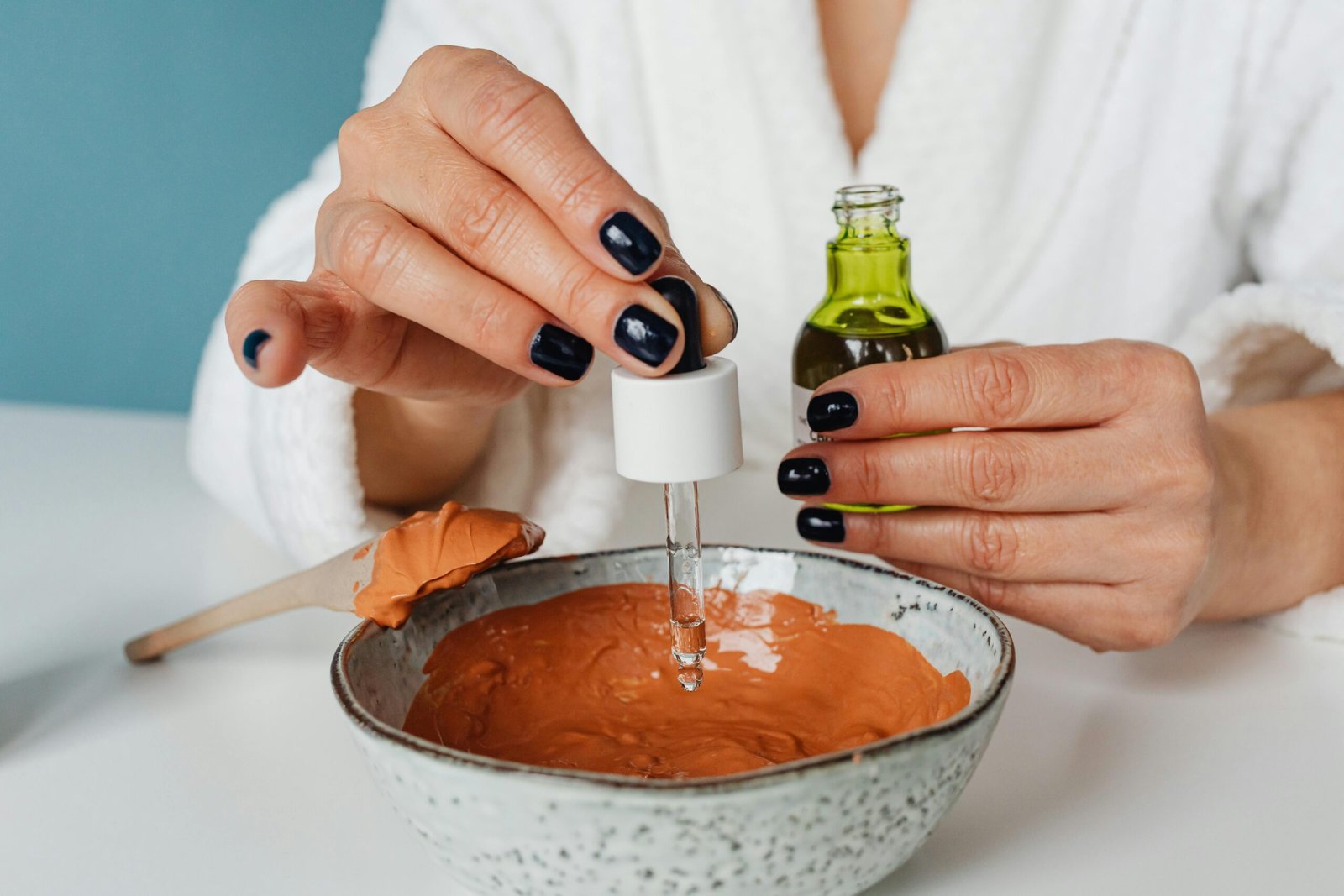
A União Europeia está apertando significativamente as regulamentações sobre Prata (CAS No. 7440-22-4) em produtos cosméticos. Com a entrada em vigor da Ato Omnibus VIII (Regulamento de Execução (UE) 2026/78) em 1º de maio de 2026, proibições mais rigorosas e limites de concentração entraram em vigor.
No entanto, como o Comitê Científico de Segurança do Consumidor (SCCS) publicou uma opinião final atualizada sobre 24 de abril de 2026, emendas urgentes adicionais já estão em andamento. Fabricantes de cosméticos que exportam para a UE devem se adaptar rapidamente a essa estrutura regulatória evolutiva e de múltiplos níveis.
I. Estrutura Central das Novas Regulamentações
A UE categorizou as restrições à prata de acordo com sua forma física e tamanho de partícula (granulometria), pois os riscos toxicológicos variam significativamente dependendo da estrutura física.
As disposições originais da Lei Omnibus VIII, implementada em 1º de maio de 2026, incluir:
- Anexo II (Substâncias Proibidas): Proibições totais foram impostas a:
- Prata em nanoescala ($1\text{ nm} < \text{diâmetro da partícula} \le 100\text{ nm}$).
- Prata maciça ($\text{diâmetro da partícula} \ge 1\text{ mm}$).
- Anexo III (Substâncias Restritas) — Nova Entrada 379: A prata em tamanho de mícron ($100\text{ nm} < \text{diâmetro da partícula} < 1\text{ mm}$) é proibida em cosméticos em geral e permitida apenas em cuidados bucais:
- Pasta de dente Concentração máxima de 0.05%
- Enxaguante bucal Concentração máxima de 0.05%
- Anexo IV (Corantes Permitidos) — Entrada 142: Prata de tamanho microscópico usado como corante (CI 77820) é restrito a:
- Produtos para os lábios: Concentração máxima de 0.2%
- Sombras para os olhos Concentração máxima de 0.2%
II. A Reavaliação de Segurança do SCCS de 2026 (SCCS/1687/25)
As regulamentações iniciais e altamente restritivas acima foram baseadas em uma avaliação mais antiga do SCCS de 2024. No entanto, a indústria subsequentemente submeteu novas e abrangentes ex vivo estudos de penetração dérmica usando tecnologias avançadas como Espectrometria de Massa de Íons Secundários de Tempo de Voo (ToF-SIMS).
Estes novos estudos demonstraram com sucesso que partículas de prata de tamanho de mícron permanecem estritamente confinadas ao estrato córneo superior e não penetram na derme viva ou epiderme viável.
Consequentemente, o SCCS adotou uma versão atualizada Opinião Final (SCCS/1687/25) em 24 de abril de 2026, ampliando os limites de segurança para partículas de prata da ordem de micrômetros ($100\text{ nm} < \text{diâmetro da partícula} < 1\text{ mm}$):
| Categoria de Produtos Cosméticos | Limite de Concentração Segura Recém-Recomendado |
| Produtos sem enxágue | Máximo 0.3% |
| Produtos de enxágue | Máximo 0.2% |
| Produtos de higiene oral | Máximo 0.2% (exceto enxaguante bucal infantil, limitado a 0.05%) |
| Produtos de unhas | Máximo 0.3% |
Exclusão Crítica: Esses limites flexíveis não se aplica a produtos em spray ou aerossol à base de propelente, pois o dossiê não cobriu dados de segurança de inalação. Portanto, a prata permanece proibida em sprays aerossóis.
III. Ajustes Legislativos de Emergência e o Caminho de Conformidade
A conclusão científica positiva do SCCS não substitui automaticamente a lei ativa que entrou em vigor em 1º de maio de 2026. Isso cria um “atraso regulatório” temporário que exige planejamento estratégico dos exportadores:
- Cumprimento Imediato da Omnibus VIII: Até que o Anexo III seja formalmente alterado, as autoridades fiscalizadoras monitorarão os produtos com os limites atuais (por exemplo, o pó de prata é tecnicamente proibido em loções/géis gerais que permanecem na pele ou são enxaguados, fora das categorias para olhos, lábios e uso oral).
- Ativação do Procedimento de Emergência: A Comissão Europeia está atualmente utilizando o procedimento de emergência sob Artigo 32º, n.º 4, do Regulamento da UE sobre Cosméticos. Esse mecanismo permite que a Comissão contorne os longos processos legislativos habituais e agilize uma revisão urgente da Entrada 379, a fim de refletir os limites mais recentes e mais amplos de 0,2%/0,3% o mais rápido possível.
- Auditoria de Especificações de Matéria-Prima: As marcas devem exigir imediatamente dos fornecedores certificados detalhados de granulometria (tamanho das partículas), SDS e fichas técnicas para verificar se suas matérias-primas de prata se enquadram estritamente na faixa permitida de $100\text{ nm}$ a $1\text{ mm}$ mícron, garantindo que não contenham frações em escala nanométrica ($<100\text{ nm}$).
IV. Conclusão
Embora a expansão da proibição da prata tenha inicialmente causado ondas de choque na indústria, a mais recente opinião final do SCCS de abril de 2026 fornece um caminho claro para o seu uso seguro como agente antibacteriano e condicionante estético. Os exportadores devem manter contato próximo com seus Responsáveis (RP) na UE para gerenciar perfeitamente a conformidade do produto, à medida que as atualizações regulares se fundem na revisão de emergência.
Em 24 de abril de 2026, o Inmetro publicou Consulta Pública nº 8 na Diário Oficial da União (Diário Oficial da União do Brasil), apresentando uma nova minuta do Regulamento Técnico Metrológico do MERCOSUL sobre a Indicação Quantitativa para Cosméticos (Proposta de Resolução nº 02/25).
Este rascunho destina-se a substituir o antigo Resolução GMC nº 50/00, que está em vigor desde 2000, alinhando os requisitos regionais com os desenvolvimentos do mercado moderno e os padrões internacionais sob o Grupo de Trabalho 3 (SGT-3).
II. Requisitos Essenciais: Divisão Estrita por Estado Físico
De acordo com o novo rascunho, as declarações de conteúdo líquido nas embalagens de cosméticos devem ser rigorosamente separadas pelas características físicas e estados da formulação do produto:
1. Sólidos, semissólidos e misturas sólido-líquido $ → $ É necessário usar a massa
- Unidades Necessárias: Gramas ou quilogramasg / kg)
- Produtos Aplicáveis: Cremes, ceras capilares, máscaras de argila, produtos de skincare pastosos e esfoliantes mistos de sólido e líquido.
2. Líquidos: $ → $. É necessário usar o volume
- Unidades Necessárias: Mililitros ou litrosmL / L)
- Produtos Aplicáveis: Shampoos, géis de banho, brumas corporais, tônicos e séruns líquidos.
3. Géis $rightarrow$ Massa, volume ou ambos (Mudança Significativa!)
- Este é o avanço mais significativo da revisão. Produtos à base de gel não estão mais restritos a uma única unidade obrigatória. Em vez disso, as marcas podem escolher o método de declaração que melhor reflete a natureza de sua formulação (seja fluida ou viscosa) ou que se alinha às práticas internacionais:
- Por massag)
- Por volume (mL)
- Declaração dupla (g + mL)
- Produtos Aplicáveis: Géis de cabelo, géis de shampoo, limpadores em gel e séruns à base de gel.
III. Feedback Público: Período de Consulta de 60 Dias
O Inmetro está buscando ativamente comentários e sugestões de partes interessadas públicas, organizações industriais e grupos de consumidores para refinar o rascunho regional antes que ele seja consolidado em estruturas legais nacionais em todos os estados membros do MERCOSUL:
- Janela de Consulta: 60 dias a partir de 24 de abril de 2026.
- Prazo para Envio: 23 de junho de 2026.
- Canal de Envio: As contribuições devem ser apresentadas exclusivamente pela plataforma do governo brasileiro “Participa + Brasil” (Brasil Participativo via https://brasilparticipativo.presidencia.gov.br).
- Observação Crucial: Comentários submetidos por meio de quaisquer canais alternativos ou não oficiais não serão legalmente aceitos.
Resumo e Perspectivas do Setor
Uma pequena linha de texto na embalagem de cosméticos envolve regras de comércio internacional, proteção dos direitos do consumidor e agilidade de mercado. Esta modernização das regras de rotulagem quantitativa do MERCOSUL reflete uma resposta ativa às necessidades da indústria, adicionando flexibilidade para fabricantes de formulações em gel.
Exportadores, fabricantes e proprietários de marcas próprias que fornecem para o Brasil e o mercado mais amplo do MERCOSUL devem acompanhar este rascunho de perto. Uma vez aprovado no nível do MERCOSUL, o texto será internalizado nas leis domésticas de cada nação membro sem maiores modificações estruturais.