




Europa

EU

The EU PPWR Packaging Regulation Is Coming: Cosmetic Enterprises Must Prepare Now

The European Union cosmetic industry is standing at a critical turning point. As the Packaging and Packaging Waste Regulation (PPWR) begins taking effect across EU member states in August 2026, all enterprises manufacturing, importing, or selling cosmetics in the EU market will face unprecedented packaging compliance challenges. I. What Is PPWR and Why Must Cosmetic Enterprises Pay Attention? The PPWR is the EU’s latest packaging regulation designed to comprehensively overhaul the European packaging management framework, accelerating the shift toward environmentally friendly, highly circular packaging design and usage. Core Objectives Include: Directive vs. Regulation: Unlike the previous Packaging Directive (94/62/EC), the PPWR is a Regulation. This means it is directly applicable and legally binding in all 27 EU Member States simultaneously, establishing a unified legal framework without requiring national transposition laws. II. How Deeply Will PPWR Impact the Cosmetics Industry? Given its structural complexity, diverse material usage, and frequent inclusion of […]

The EU PPWR Packaging Regulation Is Coming: Cosmetic Enterprises Must Prepare Now Leia mais »

EU

EU Notifies WTO of Draft Cosmetics Regulation Revision: Total Ban on Mercury, Strict Limits Introduced for CBD and BHA

On July 8, 2026, the European Commission notified the World Trade Organization (WTO) of a draft regulation amending Regulation (EC) No 1223/2009 on cosmetic products. The draft was developed in reference to the new classification of Carcinogenic, Mutagenic, or Reprotoxic (CMR) substances introduced under Commission Delegated Regulation (EU) 2025/1222, as well as the latest scientific evaluation results released by the Scientific Committee on Consumer Safety (SCCS) between 2025 and 2026. The public comment period runs through September 6, 2026, with adoption expected in the fourth quarter of 2026. Revisions and Additions to Annex II (List of Prohibited Substances) Revisions and Additions to Annex III (List of Restricted Substances) 1. Revision of Permitted Conditions and Restrictions for Hydroxyapatite (nano): Permitted Product Types and Maximum Concentration in Cosmetics Other Restrictions Hydroxyapatite (nano)(a) Toothpaste: 29.5%(b) Mouthwash: 10% For items (a) and (b):– Shall not be used in applications that may lead to exposure

EU Notifies WTO of Draft Cosmetics Regulation Revision: Total Ban on Mercury, Strict Limits Introduced for CBD and BHA Leia mais »

EU

Expanding into the EU Cosmetic Market: Are You Prepared for These Testing Requirements?

As Chinese beauty brands surge in global popularity, an increasing number of companies are setting their sights on overseas expansion, with the European market standing out as a highly lucrative destination. However, the European Union is renowned within the industry for enforcing some of the world’s most rigorous cosmetic regulations. Before any product sets foot on European soil, brand owners must ensure it is safe for human health, fully documented, and strictly compliant with Regulation (EC) No 1223/2009 (the EU Cosmetics Regulation). Testing is an indispensable milestone throughout this intricate compliance journey. A foundational yet critical question frequently asked by expanding brands is: “What testing is mandatory before my product can be launched in the EU?” The precise answer is: It depends. The EU does not prescribe a rigid, one-size-fits-all “testing checklist.” Testing requirements fluctuate depending on formula matrix, product category, microbiological susceptibility, packaging materials, target audience, intended use, and

Expanding into the EU Cosmetic Market: Are You Prepared for These Testing Requirements? Leia mais »

Reino Unido

Reivindicando “Parecer até 5 anos mais jovem”? Regulador de Publicidade do Reino Unido proíbe anúncio de renomada marca de cuidados com a pele

O caso específico por trás dessa decisão envolve a Beiersdorf UK Ltd, que opera sob a conhecida marca de cuidados com a pele Eucerin. Em 29 de abril de 2026, a Autoridade de Padrões de Publicidade do Reino Unido (ASA) acatou uma contestação contra uma proeminente publicidade em outdoor na estação de metrô de Balham, em Londres, para o Sérum Eucerin Hyaluron-Filler Epigenetic. O anúncio apresentava a manchete “PAREÇA ATÉ 5 ANOS MAIS JOVEM”*, juntamente com o texto “CLINICAMENTE PROVADO”. Uma análise do documento oficial do caso detalha as falhas clínicas específicas expostas pela ASA e fornece lições acionáveis de conformidade para exportadores globais de cosméticos. I. Dentro da Auditoria Científica de Evidências da ASA A Eucerin tentou justificar a alegação principal apresentando quatro estudos internos e um artigo revisado por pares. A crítica sistemática da ASA destaca as razões exatas pelas quais as evidências desmoronaram sob escrutínio regulatório: 1. A Diferença de Idade da Pele de 1 Ano vs. Viés Subjetivo O estudo principal submetido pela marca acompanhou 160 voluntárias por 4 semanas. No entanto,

Reivindicando “Parecer até 5 anos mais jovem”? Regulador de Publicidade do Reino Unido proíbe anúncio de renomada marca de cuidados com a pele Leia mais »

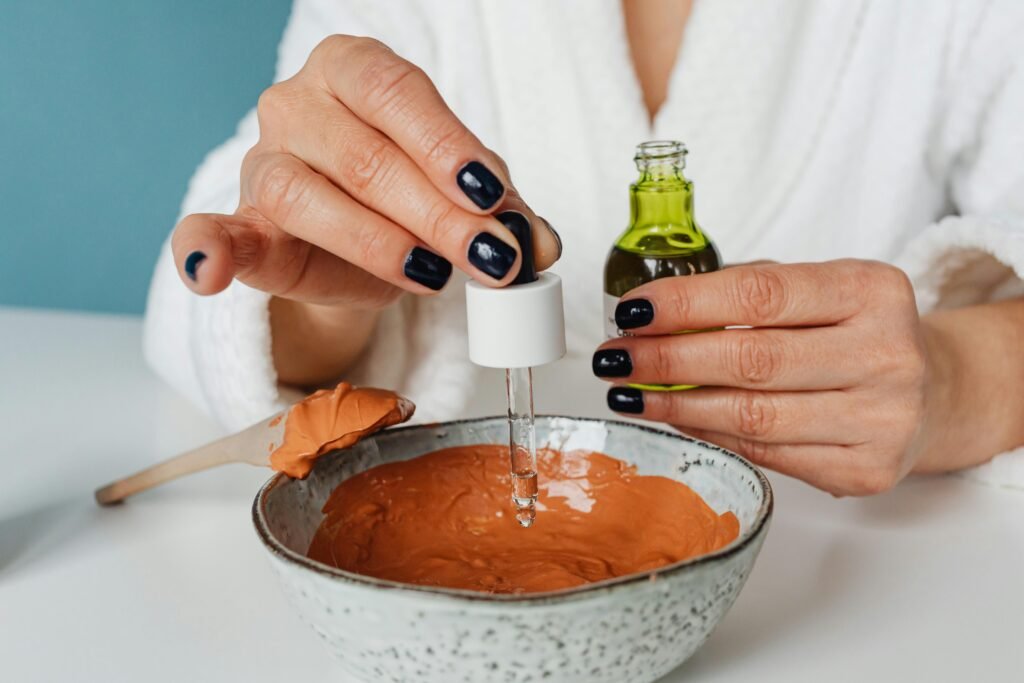
Close-up of spa treatment using clay mask and essential oil.
EU

A UE Expande Restrições ao Uso de Prata em Cosméticos: O Que as Marcas Precisam Saber

A União Europeia está apertando significativamente as regulamentações sobre Prata (CAS No. 7440-22-4) em produtos cosméticos. Após a entrada em vigor da Lei Ônibus VIII (Regulamento da Comissão (UE) 2026/78) em 1º de maio de 2026, entraram em vigor proibições e limites de concentração mais rigorosos. No entanto, como o Comitê Científico para a Segurança do Consumidor (SCCS) publicou uma opinião final atualizada em 24 de abril de 2026, emendas urgentes adicionais já estão em andamento. Fabricantes de cosméticos que exportam para a UE devem se adaptar rapidamente a este quadro regulatório evolutivo de múltiplos níveis. I. Quadro Central das Novas Regulamentações A UE categorizou as restrições à prata de acordo com sua forma física e tamanho de partícula (granulometria), pois os riscos toxicológicos variam significativamente por estrutura física. As disposições originais da Lei Ônibus VIII implementadas em 1º de maio de 2026 incluem: II. A Reavaliação de Segurança SCCS de 2026 (SCCS/1687/25) As regulamentações iniciais e altamente restritivas acima foram baseadas em uma avaliação mais antiga do SCCS de 2024. No entanto, a indústria subsequentemente submeteu novos,

A UE Expande Restrições ao Uso de Prata em Cosméticos: O Que as Marcas Precisam Saber Leia mais »