




Europa

UE

The EU PPWR Packaging Regulation Is Coming: Cosmetic Enterprises Must Prepare Now

The European Union cosmetic industry is standing at a critical turning point. As the Packaging and Packaging Waste Regulation (PPWR) begins taking effect across EU member states in August 2026, all enterprises manufacturing, importing, or selling cosmetics in the EU market will face unprecedented packaging compliance challenges. I. What Is PPWR and Why Must Cosmetic Enterprises Pay Attention? The PPWR is the EU’s latest packaging regulation designed to comprehensively overhaul the European packaging management framework, accelerating the shift toward environmentally friendly, highly circular packaging design and usage. Core Objectives Include: Directive vs. Regulation: Unlike the previous Packaging Directive (94/62/EC), the PPWR is a Regulation. This means it is directly applicable and legally binding in all 27 EU Member States simultaneously, establishing a unified legal framework without requiring national transposition laws. II. How Deeply Will PPWR Impact the Cosmetics Industry? Given its structural complexity, diverse material usage, and frequent inclusion of […]

The EU PPWR Packaging Regulation Is Coming: Cosmetic Enterprises Must Prepare Now Leggi di più »

UE

EU Notifies WTO of Draft Cosmetics Regulation Revision: Total Ban on Mercury, Strict Limits Introduced for CBD and BHA

On July 8, 2026, the European Commission notified the World Trade Organization (WTO) of a draft regulation amending Regulation (EC) No 1223/2009 on cosmetic products. The draft was developed in reference to the new classification of Carcinogenic, Mutagenic, or Reprotoxic (CMR) substances introduced under Commission Delegated Regulation (EU) 2025/1222, as well as the latest scientific evaluation results released by the Scientific Committee on Consumer Safety (SCCS) between 2025 and 2026. The public comment period runs through September 6, 2026, with adoption expected in the fourth quarter of 2026. Revisions and Additions to Annex II (List of Prohibited Substances) Revisions and Additions to Annex III (List of Restricted Substances) 1. Revision of Permitted Conditions and Restrictions for Hydroxyapatite (nano): Permitted Product Types and Maximum Concentration in Cosmetics Other Restrictions Hydroxyapatite (nano)(a) Toothpaste: 29.5%(b) Mouthwash: 10% For items (a) and (b):– Shall not be used in applications that may lead to exposure

EU Notifies WTO of Draft Cosmetics Regulation Revision: Total Ban on Mercury, Strict Limits Introduced for CBD and BHA Leggi di più »

UE

Expanding into the EU Cosmetic Market: Are You Prepared for These Testing Requirements?

As Chinese beauty brands surge in global popularity, an increasing number of companies are setting their sights on overseas expansion, with the European market standing out as a highly lucrative destination. However, the European Union is renowned within the industry for enforcing some of the world’s most rigorous cosmetic regulations. Before any product sets foot on European soil, brand owners must ensure it is safe for human health, fully documented, and strictly compliant with Regulation (EC) No 1223/2009 (the EU Cosmetics Regulation). Testing is an indispensable milestone throughout this intricate compliance journey. A foundational yet critical question frequently asked by expanding brands is: “What testing is mandatory before my product can be launched in the EU?” The precise answer is: It depends. The EU does not prescribe a rigid, one-size-fits-all “testing checklist.” Testing requirements fluctuate depending on formula matrix, product category, microbiological susceptibility, packaging materials, target audience, intended use, and

Expanding into the EU Cosmetic Market: Are You Prepared for These Testing Requirements? Leggi di più »

REGNO UNITO

Affermare di “Avere fino a 5 anni in meno”? L'autorità di regolamentazione pubblicitaria del Regno Unito vieta la pubblicità di un rinomato marchio di skincare

Il caso specifico alla base di questa decisione coinvolge Beiersdorf UK Ltd, che opera con il noto marchio di prodotti per la cura della pelle Eucerin. Il 29 aprile 2026, l'Autorità per gli Standard pubblicitari del Regno Unito (ASA) ha respinto un reclamo contro una prominente pubblicità su cartellone alla stazione della metropolitana di Balham a Londra per il Siero Epigenetico Hyaluron-Filler di Eucerin. L'annuncio presentava lo slogan “SEMBRA FINO A 5 ANNI PIÙ GIOVANE”* insieme al testo “CLINICAMENTE PROVATO”. Un'analisi del documento ufficiale del caso dettaglia i difetti clinici specifici rivelati dall'ASA e fornisce lezioni attuabili di conformità per gli esportatori globali di cosmetici. I. All'interno dell'audit scientifico probatorio dell'ASA Eucerin ha tentato di giustificare lo slogan presentando quattro studi interni e un articolo peer-reviewed. La critica sistematica dell'ASA evidenzia le ragioni esatte per cui le prove sono crollate sotto l'esame normativo: 1. Il divario di età della pelle di 1 anno rispetto al pregiudizio soggettivo Lo studio principale sottoposto dal marchio ha monitorato 160 volontari per 4 settimane. Tuttavia,

Affermare di “Avere fino a 5 anni in meno”? L'autorità di regolamentazione pubblicitaria del Regno Unito vieta la pubblicità di un rinomato marchio di skincare Leggi di più »

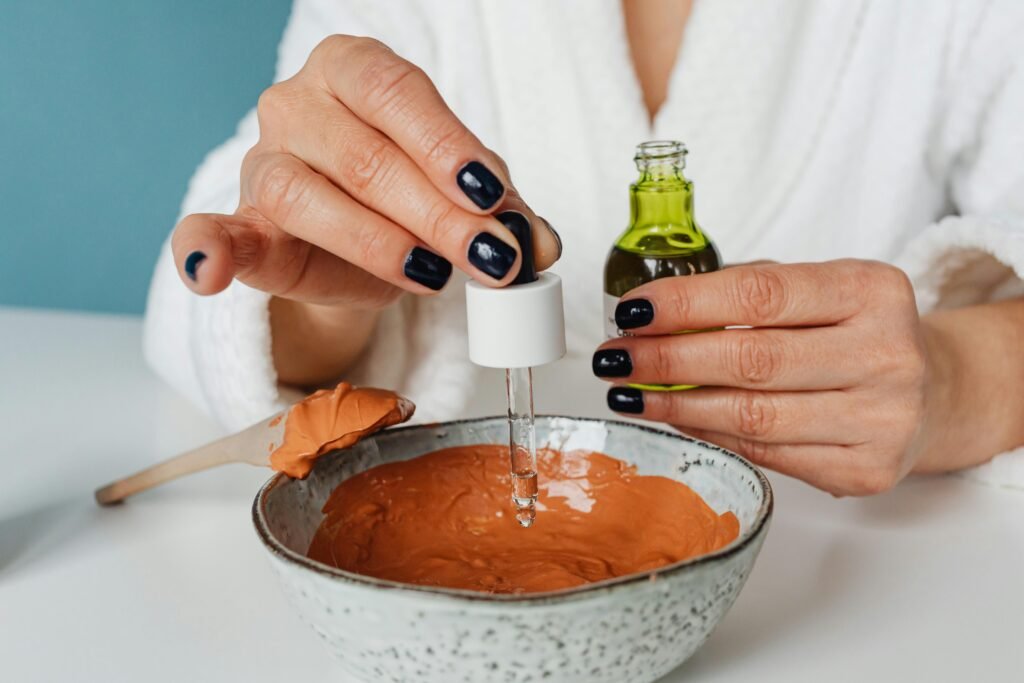
Close-up of spa treatment using clay mask and essential oil.
UE

L'UE estende le restrizioni sull'argento nei cosmetici: cosa devono sapere i marchi

L'Unione Europea sta inasprendo in modo significativo le norme relative all'argento (n. CAS 7440-22-4) nei prodotti cosmetici. A seguito dell’entrata in vigore dell’Omnibus Act VIII (Regolamento (UE) 2026/78 della Commissione) il 1° maggio 2026, sono entrati in vigore divieti e limiti di concentrazione più rigorosi. Tuttavia, poiché il Comitato scientifico per la sicurezza dei consumatori (SCCS) ha pubblicato un parere finale aggiornato il 24 aprile 2026, sono già in corso ulteriori modifiche urgenti. I produttori di cosmetici che esportano nell’UE devono adeguarsi rapidamente a questo quadro normativo multilivello in continua evoluzione. I. Quadro di riferimento delle nuove normative L’UE ha classificato le restrizioni relative all’argento in base alla sua forma fisica e alla dimensione delle particelle (granulometria), poiché i rischi tossicologici variano significativamente a seconda della struttura fisica. Le disposizioni originali della Legge Omnibus VIII, entrate in vigore il 1° maggio 2026, includono: II. La rivalutazione di sicurezza del SCCS del 2026 (SCCS/1687/25) Le norme iniziali, altamente restrittive, sopra citate si basavano su una precedente valutazione del SCCS del 2024. Tuttavia, il settore ha successivamente presentato nuove,

L'UE estende le restrizioni sull'argento nei cosmetici: cosa devono sapere i marchi Leggi di più »