




Europe

EU

The EU PPWR Packaging Regulation Is Coming: Cosmetic Enterprises Must Prepare Now

The European Union cosmetic industry is standing at a critical turning point. As the Packaging and Packaging Waste Regulation (PPWR) begins taking effect across EU member states in August 2026, all enterprises manufacturing, importing, or selling cosmetics in the EU market will face unprecedented packaging compliance challenges. I. What Is PPWR and Why Must Cosmetic Enterprises Pay Attention? The PPWR is the EU’s latest packaging regulation designed to comprehensively overhaul the European packaging management framework, accelerating the shift toward environmentally friendly, highly circular packaging design and usage. Core Objectives Include: Directive vs. Regulation: Unlike the previous Packaging Directive (94/62/EC), the PPWR is a Regulation. This means it is directly applicable and legally binding in all 27 EU Member States simultaneously, establishing a unified legal framework without requiring national transposition laws. II. How Deeply Will PPWR Impact the Cosmetics Industry? Given its structural complexity, diverse material usage, and frequent inclusion of […]

The EU PPWR Packaging Regulation Is Coming: Cosmetic Enterprises Must Prepare Now Read More »

EU

EU Notifies WTO of Draft Cosmetics Regulation Revision: Total Ban on Mercury, Strict Limits Introduced for CBD and BHA

On July 8, 2026, the European Commission notified the World Trade Organization (WTO) of a draft regulation amending Regulation (EC) No 1223/2009 on cosmetic products. The draft was developed in reference to the new classification of Carcinogenic, Mutagenic, or Reprotoxic (CMR) substances introduced under Commission Delegated Regulation (EU) 2025/1222, as well as the latest scientific evaluation results released by the Scientific Committee on Consumer Safety (SCCS) between 2025 and 2026. The public comment period runs through September 6, 2026, with adoption expected in the fourth quarter of 2026. Revisions and Additions to Annex II (List of Prohibited Substances) Revisions and Additions to Annex III (List of Restricted Substances) 1. Revision of Permitted Conditions and Restrictions for Hydroxyapatite (nano): Permitted Product Types and Maximum Concentration in Cosmetics Other Restrictions Hydroxyapatite (nano)(a) Toothpaste: 29.5%(b) Mouthwash: 10% For items (a) and (b):– Shall not be used in applications that may lead to exposure

EU Notifies WTO of Draft Cosmetics Regulation Revision: Total Ban on Mercury, Strict Limits Introduced for CBD and BHA Read More »

EU

Expanding into the EU Cosmetic Market: Are You Prepared for These Testing Requirements?

As Chinese beauty brands surge in global popularity, an increasing number of companies are setting their sights on overseas expansion, with the European market standing out as a highly lucrative destination. However, the European Union is renowned within the industry for enforcing some of the world’s most rigorous cosmetic regulations. Before any product sets foot on European soil, brand owners must ensure it is safe for human health, fully documented, and strictly compliant with Regulation (EC) No 1223/2009 (the EU Cosmetics Regulation). Testing is an indispensable milestone throughout this intricate compliance journey. A foundational yet critical question frequently asked by expanding brands is: “What testing is mandatory before my product can be launched in the EU?” The precise answer is: It depends. The EU does not prescribe a rigid, one-size-fits-all “testing checklist.” Testing requirements fluctuate depending on formula matrix, product category, microbiological susceptibility, packaging materials, target audience, intended use, and

Expanding into the EU Cosmetic Market: Are You Prepared for These Testing Requirements? Read More »

UK

Claiming to “Look Up to 5 Years Younger”? UK Advertising Regulator Banishes Ad from Renowned Skincare Brand

The specific case behind this ruling involves Beiersdorf UK Ltd, trading as the well-known skincare brand Eucerin. On April 29, 2026, the UK Advertising Standards Authority (ASA) upheld a challenge against a prominent billboard advertisement at Balham Tube station in London for the Eucerin Hyaluron-Filler Epigenetic Serum. The ad featured the headline claim “LOOK UP TO 5 YEARS YOUNGER”* alongside the text “CLINICALLY PROVEN.” An analysis of the official case document details the specific clinical flaws exposed by the ASA and provides actionable compliance lessons for global cosmetics exporters. I. Inside the ASA’s Scientific Evidentiary Audit Eucerin attempted to justify the headline claim by submitting four internal studies and one peer-reviewed paper. The ASA’s systematic critique highlights the exact reasons why the evidence collapsed under regulatory scrutiny: 1. The 1-Year Skin Age Gap vs. Subjective Bias The primary study submitted by the brand tracked 160 volunteers over 4 weeks. However,

Claiming to “Look Up to 5 Years Younger”? UK Advertising Regulator Banishes Ad from Renowned Skincare Brand Read More »

Close-up of spa treatment using clay mask and essential oil.
EU

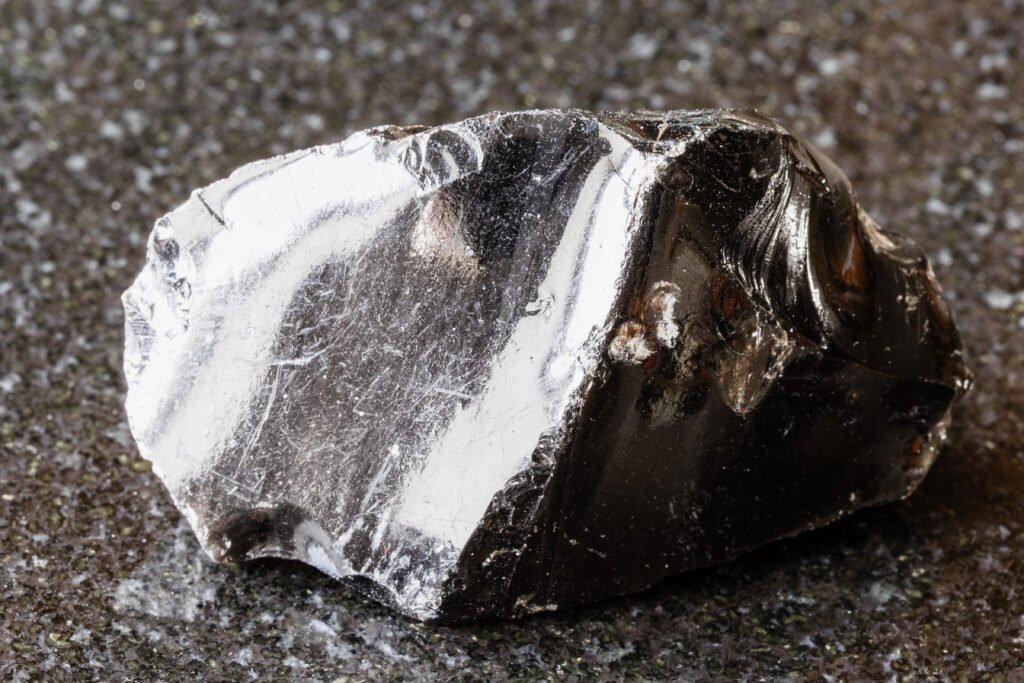
The EU Expands Restrictions on Silver in Cosmetics: What Brands Need to Know

The European Union is significantly tightening regulations on Silver (CAS No. 7440-22-4) in cosmetic products. Following the entry into force of the Omnibus Act VIII (Commission Regulation (EU) 2026/78) on May 1, 2026, stricter prohibitions and concentration limits took effect. However, because the Scientific Committee on Consumer Safety (SCCS) published an updated final opinion on April 24, 2026, further urgent amendments are already underway. Cosmetic manufacturers exporting to the EU must quickly adapt to this evolving multi-tiered regulatory framework. I. Core Framework of the New Regulations The EU has categorized silver restrictions according to its physical form and particle size (granulometry), as toxicological risks vary significantly by physical structure. The original provisions of the Omnibus Act VIII implemented on May 1, 2026, include: II. The 2026 SCCS Safety Reassessment (SCCS/1687/25) The initial, highly restrictive regulations above were based on an older 2024 SCCS evaluation. However, the industry subsequently submitted new,

The EU Expands Restrictions on Silver in Cosmetics: What Brands Need to Know Read More »