



EU

EU

The EU PPWR Packaging Regulation Is Coming: Cosmetic Enterprises Must Prepare Now

The European Union cosmetic industry is standing at a critical turning point. As the Packaging and Packaging Waste Regulation (PPWR) begins taking effect across EU member states in August 2026, all enterprises manufacturing, importing, or selling cosmetics in the EU market will face unprecedented packaging compliance challenges. I. What Is PPWR and Why Must Cosmetic Enterprises Pay Attention? The PPWR is the EU’s latest packaging regulation designed to comprehensively overhaul the European packaging management framework, accelerating the shift toward environmentally friendly, highly circular packaging design and usage. Core Objectives Include: Directive vs. Regulation: Unlike the previous Packaging Directive (94/62/EC), the PPWR is a Regulation. This means it is directly applicable and legally binding in all 27 EU Member States simultaneously, establishing a unified legal framework without requiring national transposition laws. II. How Deeply Will PPWR Impact the Cosmetics Industry? Given its structural complexity, diverse material usage, and frequent inclusion of […]

The EU PPWR Packaging Regulation Is Coming: Cosmetic Enterprises Must Prepare Now Read More »

EU

Expanding into the EU Cosmetic Market: Are You Prepared for These Testing Requirements?

As Chinese beauty brands surge in global popularity, an increasing number of companies are setting their sights on overseas expansion, with the European market standing out as a highly lucrative destination. However, the European Union is renowned within the industry for enforcing some of the world’s most rigorous cosmetic regulations. Before any product sets foot on European soil, brand owners must ensure it is safe for human health, fully documented, and strictly compliant with Regulation (EC) No 1223/2009 (the EU Cosmetics Regulation). Testing is an indispensable milestone throughout this intricate compliance journey. A foundational yet critical question frequently asked by expanding brands is: “What testing is mandatory before my product can be launched in the EU?” The precise answer is: It depends. The EU does not prescribe a rigid, one-size-fits-all “testing checklist.” Testing requirements fluctuate depending on formula matrix, product category, microbiological susceptibility, packaging materials, target audience, intended use, and

Expanding into the EU Cosmetic Market: Are You Prepared for These Testing Requirements? Read More »

Close-up of spa treatment using clay mask and essential oil.
EU

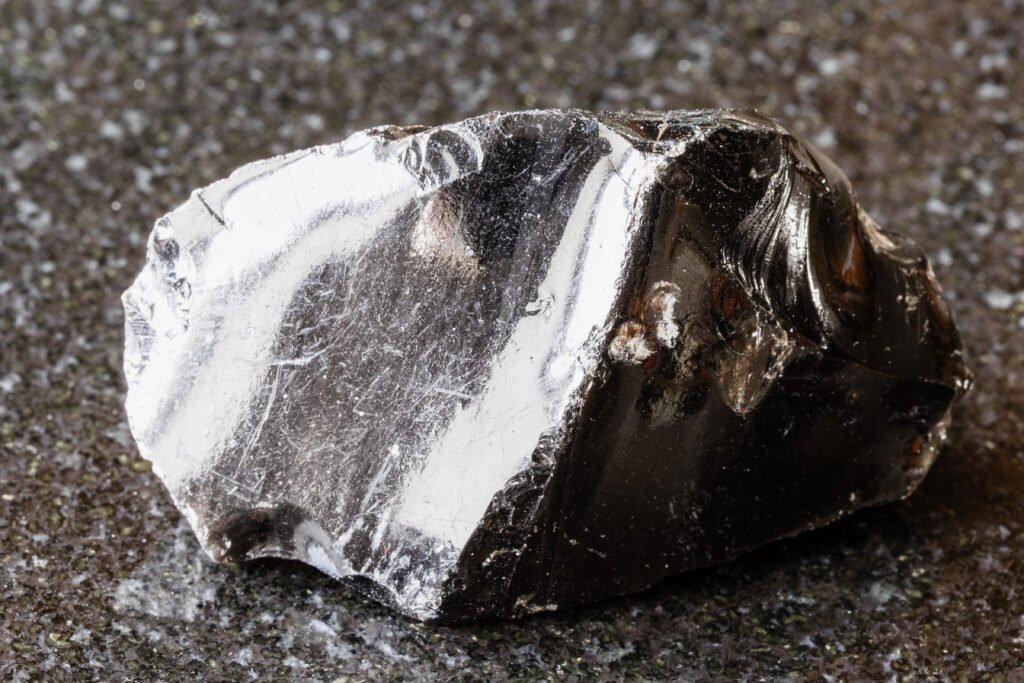
The EU Expands Restrictions on Silver in Cosmetics: What Brands Need to Know

The European Union is significantly tightening regulations on Silver (CAS No. 7440-22-4) in cosmetic products. Following the entry into force of the Omnibus Act VIII (Commission Regulation (EU) 2026/78) on May 1, 2026, stricter prohibitions and concentration limits took effect. However, because the Scientific Committee on Consumer Safety (SCCS) published an updated final opinion on April 24, 2026, further urgent amendments are already underway. Cosmetic manufacturers exporting to the EU must quickly adapt to this evolving multi-tiered regulatory framework. I. Core Framework of the New Regulations The EU has categorized silver restrictions according to its physical form and particle size (granulometry), as toxicological risks vary significantly by physical structure. The original provisions of the Omnibus Act VIII implemented on May 1, 2026, include: II. The 2026 SCCS Safety Reassessment (SCCS/1687/25) The initial, highly restrictive regulations above were based on an older 2024 SCCS evaluation. However, the industry subsequently submitted new,

The EU Expands Restrictions on Silver in Cosmetics: What Brands Need to Know Read More »

lavenders, flowers, flower background, garden, purple flowers, inflorescence, petals, beautiful flowers, purple petals, bloom, blossom, fragrance, flora, plants, nature, flower wallpaper, close up
EU

56 New Fragrance Allergens Added! EU Cosmetic Brands Must Take Immediate Action

The European Union cosmetic industry is currently undergoing its most extensive regulatory update in nearly a decade. Starting July 31, 2026, all cosmetics being placed on the market in the EU must disclose an additional 56 fragrance allergens on their labels, where applicable. This mandate implies critical updates for almost all products containing fragrances or plant essential oils, including: 1. Why is the EU Adding 56 New Fragrance Allergens? In 1999, the Scientific Committee confirmed 26 fragrance allergens required label disclosure to assist consumers in avoiding allergic reactions. Following updated clinical and experimental data from the SCCS in 2011 indicating further sensitizing potentials, the EU released Regulation (EU) 2023/1545 on July 26, 2023. This regulation officially added 56 allergens, bringing the total number of required disclosures to 82 items. 2. What are Fragrance Allergens? Fragrance substances are organic compounds with characteristic odors found in perfumes, skincare, detergents, and other daily

56 New Fragrance Allergens Added! EU Cosmetic Brands Must Take Immediate Action Read More »

EU

ECHA Releases Response to Proposed Classification of Sodium Fluoride, Potentially Impacting Cosmetic Use

On February 10, 2026, the European Chemicals Agency (ECHA) published the Response to Comments (RCOM) regarding the proposed classification of Sodium fluoride. This document summarizes the feedback from a three-month public consultation on France’s proposal to classify Sodium fluoride as a Category 1B Reproductive Toxicant (Repr. 1B), in accordance with the Regulation on Classification, Labelling and Packaging of substances and mixtures (CLP). Regulatory Status of Sodium Fluoride in Cosmetics According to Annex III of the EU Cosmetics Regulation, Sodium fluoride is currently permitted for use in oral care products (such as toothpaste and mouthwash) at a maximum concentration of 0.15%. If Sodium fluoride is ultimately classified as a Repr. 1B substance, its use in cosmetics would be subject to a comprehensive ban under Article 15 of the Cosmetics Regulation. This article prohibits the use of substances classified as carcinogenic, mutagenic, or toxic for reproduction (CMR) in cosmetic products. Industry Stance

ECHA Releases Response to Proposed Classification of Sodium Fluoride, Potentially Impacting Cosmetic Use Read More »