






zooptech2011@gmail.com

China Cosmetic

Provisions Concerning the Exemption of Toxicological Testing

Product testing reports for registration or notification must be issued by a designated cosmetic testing agency and comply with the Safety and Technical Standards for Cosmetics, the Work Specifications for Cosmetic Registration and Notification Testing, and other relevant regulations. Product testing reports include toxicological test reports. The Safety and Technical Standards for Cosmetics is gradually incorporating alternative non-animal testing methods. I. General Exemption for General Cosmetics Manufacturing enterprises of General Cosmetics may be exempted from submitting toxicological test reports for a product if they meet the following two conditions: II. Exceptions (Exemption Does Not Apply) The exemption from toxicological testing does not apply if any of the following conditions exist: III. Requirements for Multiple Manufacturers In cases where a product is produced by multiple manufacturing enterprises, the exemption from toxicological testing is only applicable if all participating manufacturers have obtained QMS certifications issued by their respective local government authorities. Have

Provisions Concerning the Exemption of Toxicological Testing Read More »
China Cosmetic

Evaluation of Cosmetic Efficacy Claims

I. Core Responsibilities and Procedures At the time of registration or notification, cosmetic registrants and notifiers must upload a summary of the basis for product efficacy claims to the specialized website designated by the National Medical Products Administration (NMPA). The registrant or notifier is responsible for the scientific validity, authenticity, reliability, and traceability of the submitted summary. Cosmetic efficacy claims must be supported by sufficient scientific evidence. This evidence includes scientific literature, research data, or the results of cosmetic efficacy evaluation tests. The methods used for evaluation must be scientific, reasonable, and feasible, and they must fulfill the purpose of the evaluation. Registrants and notifiers may conduct the evaluations themselves or entrust an evaluation balanced with appropriate capabilities to follow the requirements listed in Table 1. A summary of the efficacy claim basis will then be prepared and published based on the evaluation conclusions. II. Specific Evaluation Requirements by Category

Evaluation of Cosmetic Efficacy Claims Read More »

A stylish flat lay of diverse cosmetic products, including eyeshadows and lipstick, on a white background.
China Cosmetic

Compliance Guide for Cosmetic Safety Assessment

I. Key Dates and Scope II. Qualifications for Safety Assessors Cosmetic safety assessors must meet the following requirements: III. The Four-Step Risk Assessment Process The risk assessment for ingredients and substances involves these four steps: IV. Core Principles for Assessment 1. Ingredient Assessment 2. Product Assessment V. Testing for Harmful Substances VI. 2024 Update: How to Submit Reports Cosmetics are now divided into two categories for submission: VII. Record Keeping Safety assessment records must be kept for at least 10 years after the expiration date of the last batch of the product sold. Have Questions?

Compliance Guide for Cosmetic Safety Assessment Read More »

USA

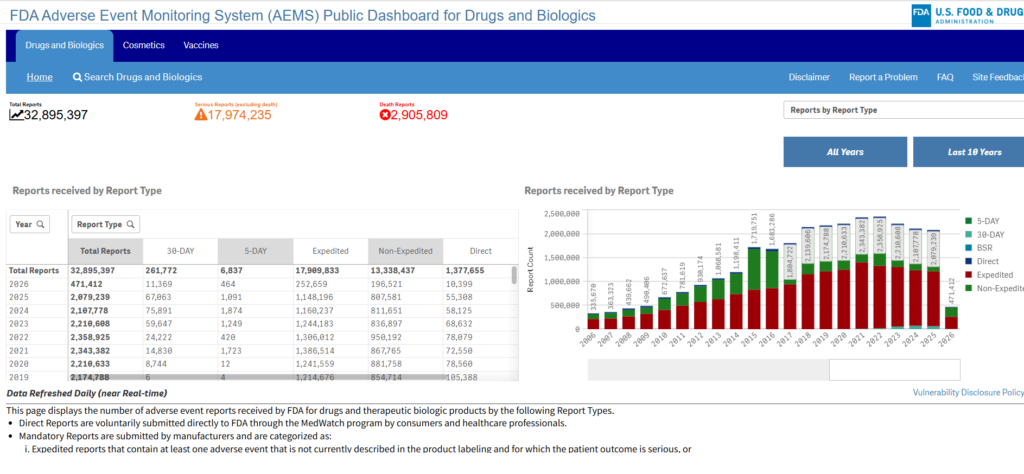
FDA Launches Unified Adverse Event Monitoring System (AEMS)

On March 11, 2026, the U.S. Food and Drug Administration (FDA) officially announced the launch of the Adverse Event Monitoring System (AEMS). This brand-new unified platform and interactive public data dashboard is designed to analyze and process adverse event reports with greater efficiency. The system is scheduled to be fully operational by the end of May 2026. This transition will bring significant changes to the industry landscape and the way the public accesses data. Here is the core information you need to know: A “Unified” Era: Covering All Regulated Products The launch of AEMS marks a major milestone in the FDA’s data integration efforts. It will provide real-time adverse event reporting across all FDA-regulated product categories, including: Retiring Legacy Systems To achieve this integration, the FDA will decommission several aging, decentralized reporting systems across various centers. The new AEMS will directly replace the following well-known platforms: By consolidating these systems

FDA Launches Unified Adverse Event Monitoring System (AEMS) Read More »

Canada

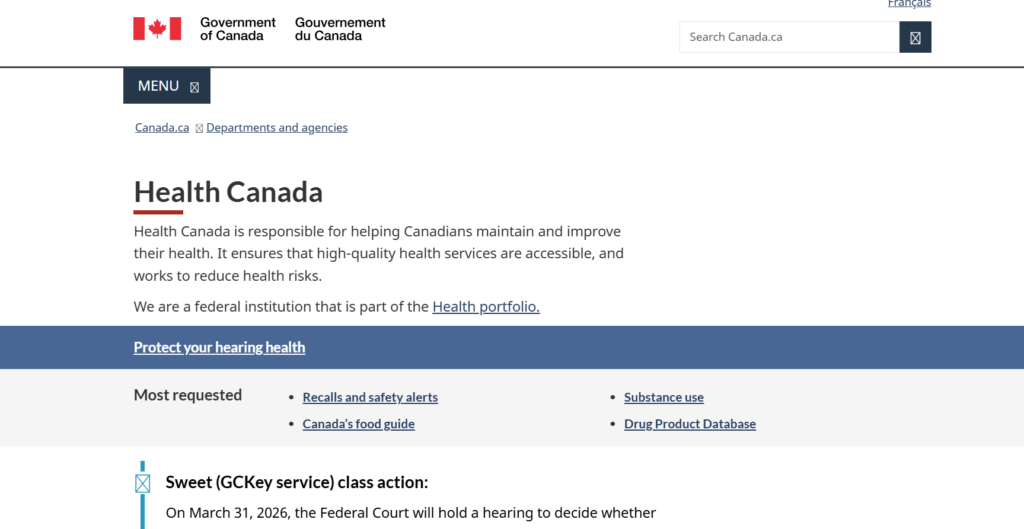
Breaking: Health Canada Shifts Fragrance Allergen Concentration Disclosure from “Mandatory” to “Optional”

On March 9, 2026, Health Canada announced a pivotal adjustment to the upcoming fragrance allergen disclosure requirements for cosmetics, offering significantly greater flexibility to the industry. Core Change: Concentration Reporting Moves from “Mandatory” to “Optional” Important Exception: Concentrations Still Required for “Hotlist” Ingredients Please note that this “relaxation” policy does not apply to all substances! If a fragrance allergen is also classified as a restricted substance on the Cosmetic Ingredient Hotlist, and its restriction is tied to specific concentration limits (e.g., Eucalyptus, Camphor, Methyl Salicylate), companies are still mandated to provide the exact concentration or the corresponding concentration range code in the CNF. Effective Date and Enforcement Timeline This provides businesses with a one-year “buffer period” to adapt their internal processes to the new requirements. Next Steps for Businesses Health Canada expects to update the CNF during the next system upgrade to allow for the submission of specific fragrance allergens

Breaking: Health Canada Shifts Fragrance Allergen Concentration Disclosure from “Mandatory” to “Optional” Read More »