

zooptech2011@gmail.com

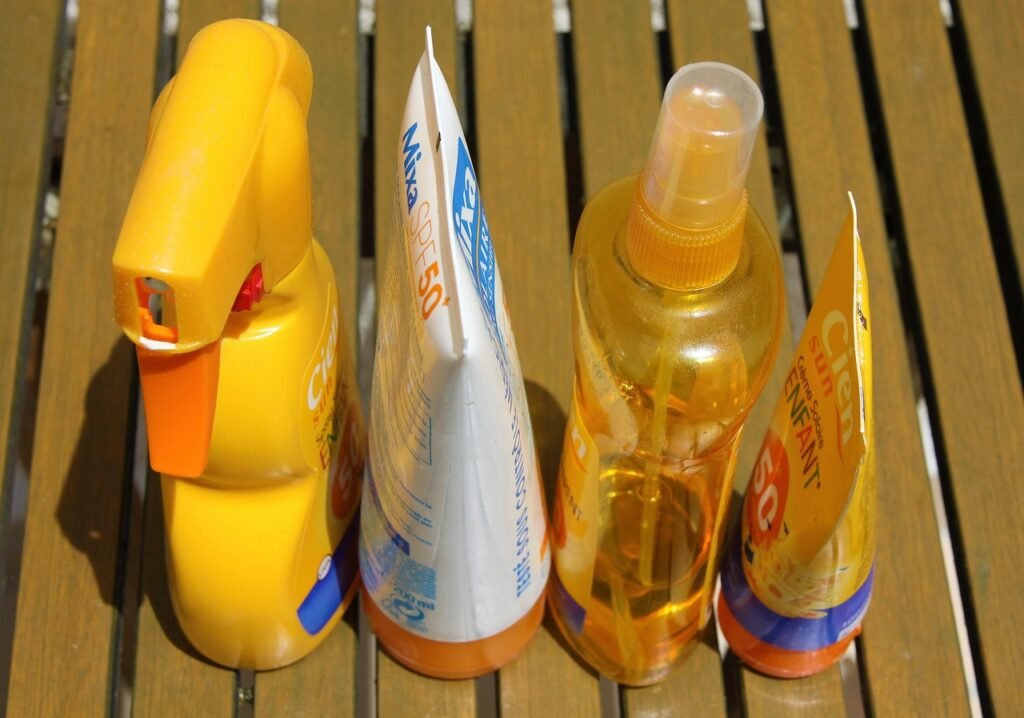
sunscreen, skincare, protection, nature, lotion, summer, suncream, block, spf, care, body, cream, holiday, skin care, bottle, sunblock, brown body, brown bottle, brown care
Thailand

How to Import Sunscreen Products into Thailand in 2025

Importing sunscreen products into Thailand in 2025 offers tremendous potential for international beauty brands. This article covers every aspect, from Thailand sunscreen products import regulations to cosmetic product notification in Thailand. Are Sunscreen Products Considered Cosmetic Products in Thailand? In Thailand, sunscreen products may or may not be considered cosmetics. According to Cosmetic Act 2015 and Drug Act 1967, sunscreen creams or sprays used to protect the skin from UV damage or to nourish the skin are classified as cosmetics. However, if a product’s advertisement or functional claim involves the treatment of diseases or targets specific dermatological conditions, it may be classified as a drug, not a cosmetic. Cosmetic Product Notification (CPN) in Thailand Completing the cosmetic product notification in Thailand (CPN) is a mandatory step before importing sunscreen products or any other cosmetics into the country. According to current cosmetic import regulations in Thailand, only a Thailand-registered legal entity—such

How to Import Sunscreen Products into Thailand in 2025 Read More »
Vietnam

Vietnam Issues Massive Recall of 291 Cosmetics: Full Ban on Products Containing D4

On March 3, 2026, the Ministry of Health of Vietnam issued an announcement on its official website: the circulation of 291 cosmetic products containing Cyclotetrasiloxane and Octamethylcyclotetrasiloxane is suspended, and these products are being recalled. This decision took effect immediately nationwide, drawing significant attention from the industry. This is not only a large-scale product recall but also a clear signal—ASEAN’s regulation of cyclic siloxanes is tightening across the board. I. What Happened? According to the announcement: II. Why the Recall? — Directly Linked to ASEAN Meeting Resolutions The announcement   explicitly stated that this recall is intended to implement In other words, this action was not a unilateral decision by any single Member State, but an enforcement measure under the unified ASEAN regulatory framework. III. What is the Named Substance? The ingredient involved in this action is: These belong to the category of volatile cyclic siloxanes, commonly found in: In recent

Vietnam Issues Massive Recall of 291 Cosmetics: Full Ban on Products Containing D4 Read More »

Vietnam

Major Regulatory Shift in Vietnam’s Cosmetic Advertising: Repeal of Old Regulations Marks the Beginning of a New Chapter!

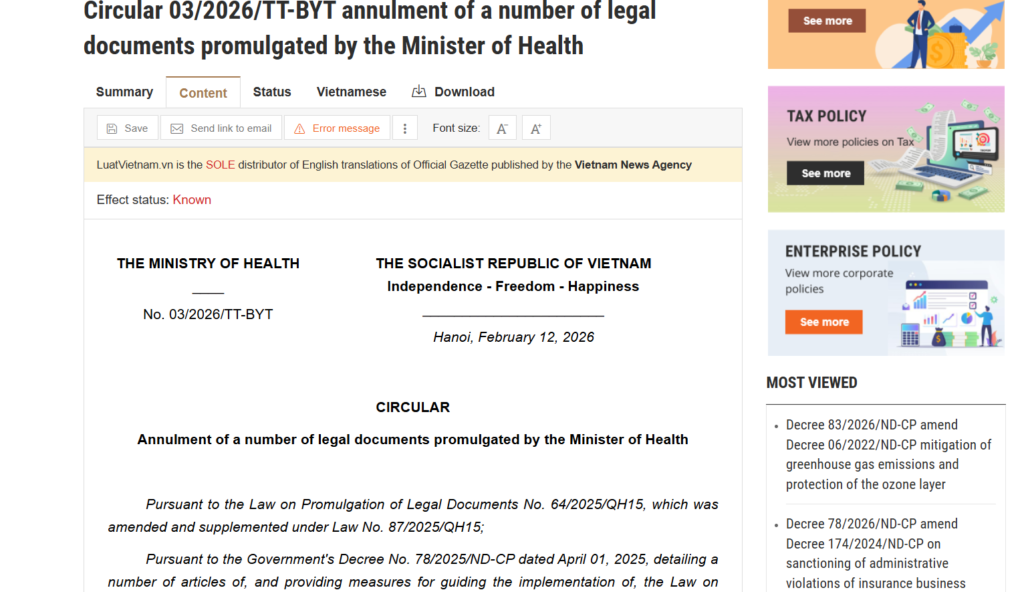
On February 12, 2026, the Ministry of Health of Vietnam issued Circular No. 03/2026/TT-BYT, a document that has sent ripples through the Vietnamese cosmetic industry. The core content of this Circular is the repeal of several previously issued legal normative documents, resulting in fundamental changes to the regulations governing the management of cosmetic advertising. Summary: Pursuant to this Circular, the Ministry of Health of Vietnam has abolished the specific management regulations regarding the confirmation of cosmetic advertising content previously set forth in Circular No. 09/2015/TT-BYT. While existing certificates may still be used during the transitional period, any new regulatory frameworks or requirements must adhere to other valid regulations issued subsequently. Have Questions?

Major Regulatory Shift in Vietnam’s Cosmetic Advertising: Repeal of Old Regulations Marks the Beginning of a New Chapter! Read More »

EU

ECHA Releases Response to Proposed Classification of Sodium Fluoride, Potentially Impacting Cosmetic Use

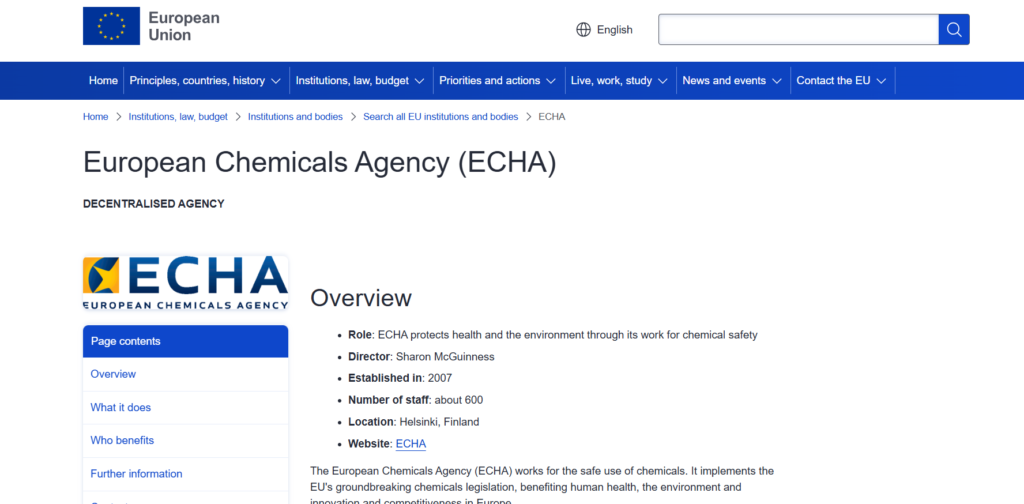
On February 10, 2026, the European Chemicals Agency (ECHA) published the Response to Comments (RCOM) regarding the proposed classification of Sodium fluoride. This document summarizes the feedback from a three-month public consultation on France’s proposal to classify Sodium fluoride as a Category 1B Reproductive Toxicant (Repr. 1B), in accordance with the Regulation on Classification, Labelling and Packaging of substances and mixtures (CLP). Regulatory Status of Sodium Fluoride in Cosmetics According to Annex III of the EU Cosmetics Regulation, Sodium fluoride is currently permitted for use in oral care products (such as toothpaste and mouthwash) at a maximum concentration of 0.15%. If Sodium fluoride is ultimately classified as a Repr. 1B substance, its use in cosmetics would be subject to a comprehensive ban under Article 15 of the Cosmetics Regulation. This article prohibits the use of substances classified as carcinogenic, mutagenic, or toxic for reproduction (CMR) in cosmetic products. Industry Stance

ECHA Releases Response to Proposed Classification of Sodium Fluoride, Potentially Impacting Cosmetic Use Read More »

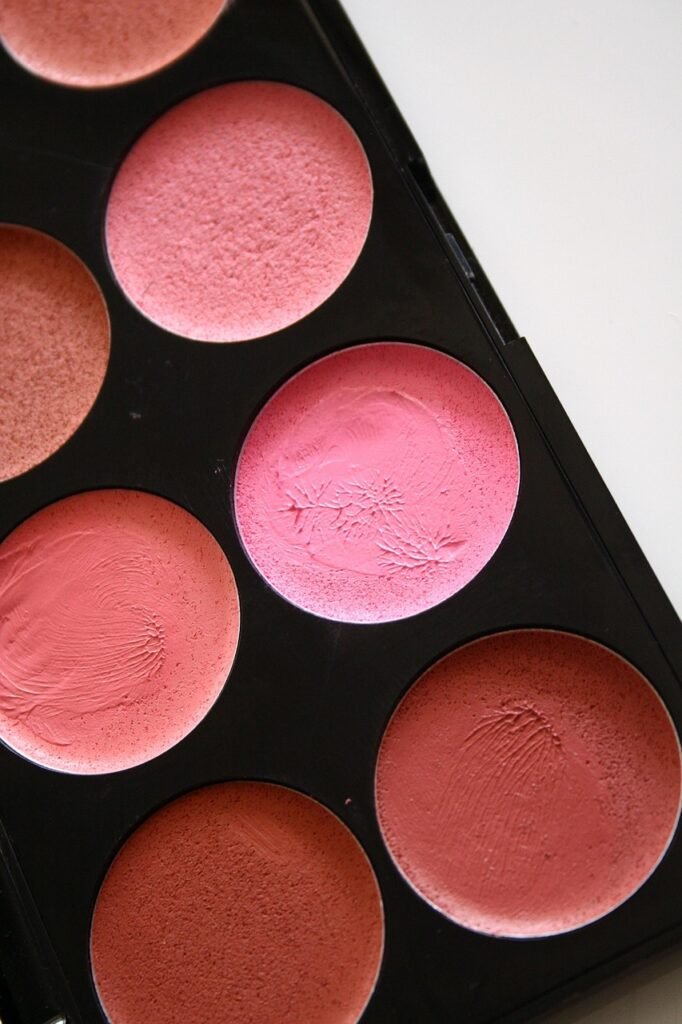
blush, cream blush, cosmetics, blusher, makeup, cosmetic products, blush, blush, blush, blush, blush, makeup, makeup
China Cosmetic

NIFDC Solicits Public Comments on Six Microbiological Testing Methods for Cosmetics

To all relevant organizations: To further improve the technical standards for cosmetics, the National Institutes for Food and Drug Control (NIFDC) has organized the development and revision of six cosmetic standard drafts for public comment, including the General Rules for Microbiological Testing Methods in Cosmetics (Attachments 1–6). We are now formally soliciting public feedback. Please submit your comments through the “Cosmetic Standard Development and Revision Management System” (https://www.nifdc.org.cn/nifdc/bshff/hzhpbzh/hzhpbzhxt/index.html) as required. The deadline for submission is March 22, 2026. Attachments: National Institutes for Food and Drug Control (NIFDC) February 6, 2026 Have Questions?

NIFDC Solicits Public Comments on Six Microbiological Testing Methods for Cosmetics Read More »