


Importing sunscreen products into Thailand in 2025 offers tremendous potential for international beauty brands. This article covers every aspect, from Thailand sunscreen products import regulations to cosmetic product notification in Thailand.
Are Sunscreen Products Considered Cosmetic Products in Thailand?
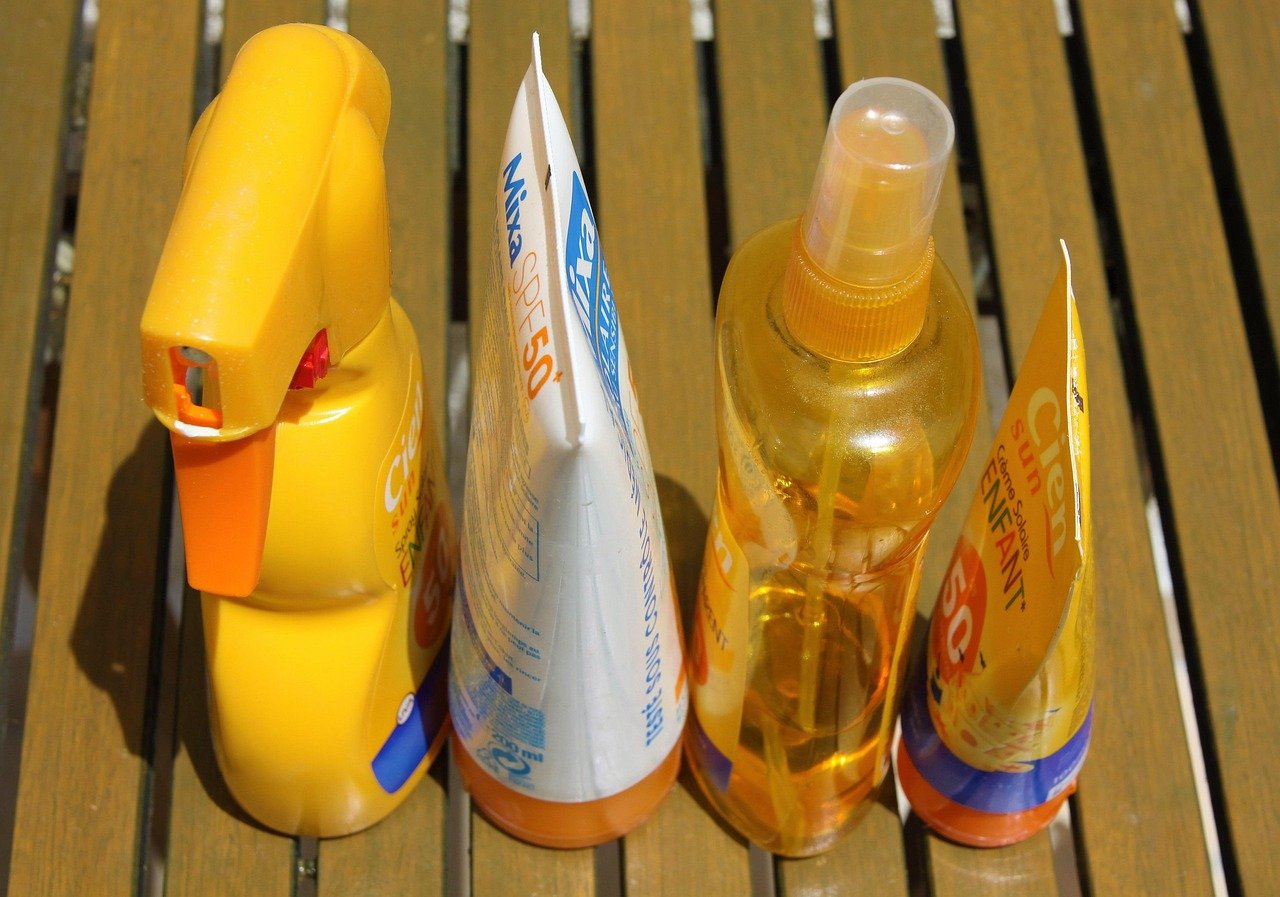
In Thailand, sunscreen products may or may not be considered cosmetics. According to Cosmetic Act 2015 and Drug Act 1967, sunscreen creams or sprays used to protect the skin from UV damage or to nourish the skin are classified as cosmetics. However, if a product’s advertisement or functional claim involves the treatment of diseases or targets specific dermatological conditions, it may be classified as a drug, not a cosmetic.
Cosmetic Product Notification (CPN) in Thailand
Completing the cosmetic product notification in Thailand (CPN) is a mandatory step before importing sunscreen products or any other cosmetics into the country. According to current cosmetic import regulations in Thailand, only a Thailand-registered legal entity—such as your local distributor or a designated Thailand cosmetic notification holder (CNH)—can legally submit the application. Foreign companies are not allowed to register CPN directly.
Required Documents for CPN Registration:
| Document | Description |
| Thai Local Company Documents | Local warehouse address, warehouse picture, lease contract |
| Good Manufacturing Practice(GMP) | A quality management system ensuring products(like drugs, food, cosmetics) are consistently manufactured and controlled according to quality standards, minimizing risks such as contamination. |
| INCI Ingredient List | Must comply with the ASEAN Cosmetic Directive and follow the International Nomenclature of Cosmetic Ingredients (INCI) format. |
| Letter of Authorization (LOA) | Issued by the brand owner or manufacturer, authorizing the Thai-based cosmetic notification holder (CNH) or distributor to submit the CPN. Must be notarized and legalized, unless exempt under specific free trade agreements (FTAs). |
| Product Information File (PIF) | Maintained by the Thai people applicant (distributor or CNH) for post-market surveillance. Not required at the time of CPN submission, but must be available on request. |
| Online Application Form | Must include the product name, brand, intended use, INCI ingredient list, packaging details, country of origin, and Thailand importer/distributor information. |
| Trademark Registration Certificate |
CPN Validity and Renewal in Thailand
The Cosmetic Product Notification (CPN) for nail polish is valid for 3 years in Thailand. To maintain its legal marketing status, the Thai-based distributor or Cosmetic Notification Holder (CNH) must submit a renewal application prior to the expiration date.
Importation and Legal Regulations for Sunscreen Products in Thailand
According to the legal and regulatory requirements of the Thai Food and Drug Administration (Thai FDA), the following regulations must be observed when importing sunscreen or cosmetic products for sale in Thailand:
Key Import and Sales Requirements
Importer Qualification: The importer must be a company or agent registered in Thailand and must hold an FDA Operator Code.
Cosmetic Notification: A “Cosmetic Notification” must be submitted to the Thai FDA prior to importation or market launch. This submission must include:
Formulation ingredients, product category, manufacturer and importer information, and packaging format.
Notification Receipt: Once the notification is reviewed and approved, an official “Notification Receipt” will be issued.
All imported products must display this notification number on their packaging before being sold in Thailand.
License per Invoice (LPI): A “License per Invoice (LPI)” must be applied for with every shipment (per invoice).
This is used for customs clearance and audits at official checkpoints.
Thai Language Labeling: Labels must include Thai text (required). English or other languages may be used concurrently, but: The Thai content must be complete and contain no less information than other languages. And must specify:
Product name, full ingredients, directions for use, net content, manufacturer/importer name and address, country of origin, cosmetic notification number, warnings/precautions, batch number, and production or expiration dates.
Advertising Restrictions: Advertising must not exceed the scope of “cosmetics” and is prohibited from claiming:
Disease treatment, alteration of human structure or function, or any drug-level therapeutic effects; otherwise, it will be deemed illegal promotion.
Post-Market Surveillance: The Thai FDA may conduct random inspections after the product is launched. If violations regarding ingredients, labeling, or advertising are found, the Thai FDA has the authority to:
Order a recall, stop sales, or take other enforcement measures.
Special Note: Environmental Restrictions (Marine & National Parks)
In certain regions of Thailand, particularly National Parks, Marine Parks, and Marine Protected Areas, the use or sale of sunscreen containing ingredients harmful to the environment (such as those toxic to coral) is prohibited.
Commonly Prohibited Ingredients: Oxybenzone (BP-3), Octinoxate, 4-Methylbenzylidene Camphor (4-MBC), and Butylparaben.
Compliance: While these may be legal in the general market, you should avoid using products containing these ingredients when entering protected areas and confirm local regulations in advance.