





zooptech2011@gmail.com

EU

Expanding into the EU Cosmetic Market: Are You Prepared for These Testing Requirements?

As Chinese beauty brands surge in global popularity, an increasing number of companies are setting their sights on overseas expansion, with the European market standing out as a highly lucrative destination. However, the European Union is renowned within the industry for enforcing some of the world’s most rigorous cosmetic regulations. Before any product sets foot on European soil, brand owners must ensure it is safe for human health, fully documented, and strictly compliant with Regulation (EC) No 1223/2009 (the EU Cosmetics Regulation). Testing is an indispensable milestone throughout this intricate compliance journey. A foundational yet critical question frequently asked by expanding brands is: “What testing is mandatory before my product can be launched in the EU?” The precise answer is: It depends. The EU does not prescribe a rigid, one-size-fits-all “testing checklist.” Testing requirements fluctuate depending on formula matrix, product category, microbiological susceptibility, packaging materials, target audience, intended use, and

Expanding into the EU Cosmetic Market: Are You Prepared for These Testing Requirements? Read More »

UK

Claiming to “Look Up to 5 Years Younger”? UK Advertising Regulator Banishes Ad from Renowned Skincare Brand

The specific case behind this ruling involves Beiersdorf UK Ltd, trading as the well-known skincare brand Eucerin. On April 29, 2026, the UK Advertising Standards Authority (ASA) upheld a challenge against a prominent billboard advertisement at Balham Tube station in London for the Eucerin Hyaluron-Filler Epigenetic Serum. The ad featured the headline claim “LOOK UP TO 5 YEARS YOUNGER”* alongside the text “CLINICALLY PROVEN.” An analysis of the official case document details the specific clinical flaws exposed by the ASA and provides actionable compliance lessons for global cosmetics exporters. I. Inside the ASA’s Scientific Evidentiary Audit Eucerin attempted to justify the headline claim by submitting four internal studies and one peer-reviewed paper. The ASA’s systematic critique highlights the exact reasons why the evidence collapsed under regulatory scrutiny: 1. The 1-Year Skin Age Gap vs. Subjective Bias The primary study submitted by the brand tracked 160 volunteers over 4 weeks. However,

Claiming to “Look Up to 5 Years Younger”? UK Advertising Regulator Banishes Ad from Renowned Skincare Brand Read More »

Thailand

Thailand Skincare Advertising Compliance Guide: The “Traffic Light” System for Whitening Claims Released

Attention all beauty brands, cosmetic exporters, influencers, and digital content creators! On May 26, 2026, the Food and Drug Administration of Thailand (Thai FDA) officially enacted an updated Skincare Advertising Guidelines framework, specifically introducing strict baseline parameters for Whitening and Skin-Brightening Products. If your marketing vocabulary violates these boundaries, you risk immediate regulatory action. Review this comprehensive “Traffic Light” compliance breakdown to insulate your cross-border brand from severe operational liabilities. I. The Red Light Zone: Prohibited Marketing Claims The following claims are completely banned from cosmetic advertisements in Thailand. Using this terminology can lead to immediate product delisting, hefty administrative fines, or corporate blacklisting. Core Compliance Law: All marketing and advertising copy must align perfectly with the original Cosmetic Product Notification details submitted to the Thai FDA and must remain strictly within the consumer cosmetic definition under the Thailand Cosmetic Act. II. The Green Light Zone: Permitted Compliance Terminology If

Thailand Skincare Advertising Compliance Guide: The “Traffic Light” System for Whitening Claims Released Read More »

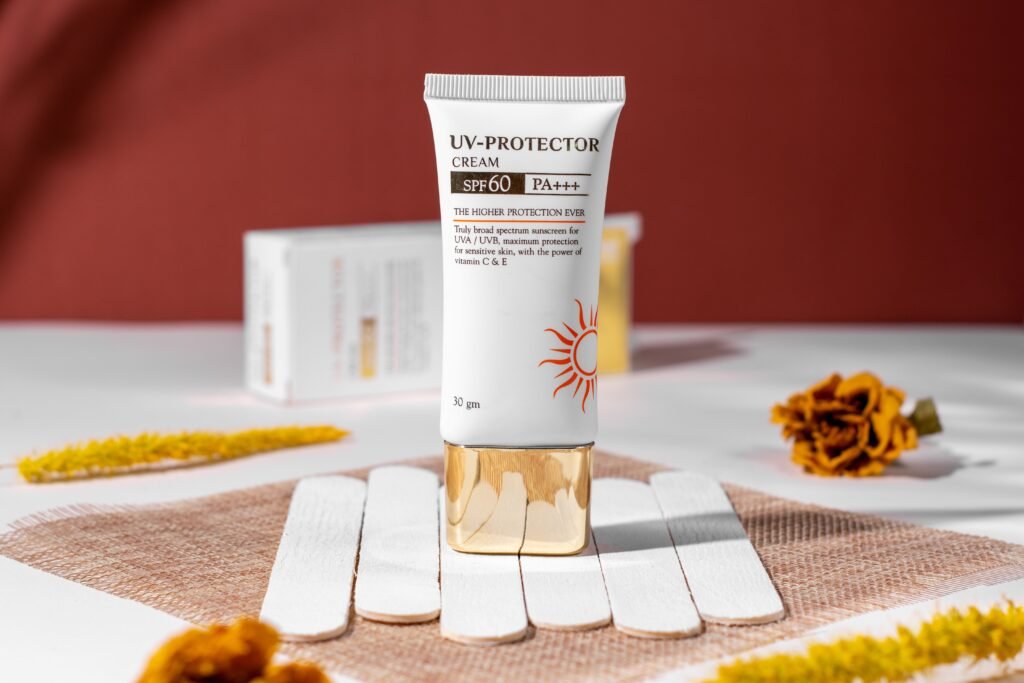
Close-up of SPF 60 UV protection cream for skincare, featuring floral accents and a natural setting.
USA

FDA Officially Approves Next-Generation Sunscreen Ingredient Bemotrizinol: A New Era for U.S. Sun Protection Begins

On June 10, 2026, the U.S. Food and Drug Administration (FDA) issued a landmark regulatory decision—Final Administrative Order OTC000039. This order officially amends Over-the-Counter (OTC) Sunscreen Monograph M020 to approve the use of the brand-new sunscreen active ingredient Bemotrizinol (Bis-Ethylhexyloxyphenol Methoxyphenyl Triazine) in OTC sunscreens at a maximum allowable concentration of 6%. This marks the first time in over two decades that a truly modern, innovative chemical UV filter has been added to the U.S. sunscreen monograph, signaling a monumental milestone for the American sun care market. I. What Did the FDA Declare? According to the comprehensive 35-page final administrative order, the FDA thoroughly reviewed voluminous scientific safety data and public comments submitted by the requesting manufacturer, DSM Nutritional Products. The agency formally concluded that Bemotrizinol is Generally Recognized as Safe and Effective (GRASE) for use as a sunscreen active ingredient at concentrations up to 6%. II. Two Core Foundations

FDA Officially Approves Next-Generation Sunscreen Ingredient Bemotrizinol: A New Era for U.S. Sun Protection Begins Read More »

A minimalist still life photography of various aromatherapy bottles on a white table.
Thailand

Thailand Implements Emergency Facilitation Measures: 1-Day Fast-Track for Cosmetic Formula and Packaging Modifications

Amid ongoing geopolitical tensions in the Middle East causing significant cross-border logistics hurdles and disruptions in petro-chemical derivatives (such as plastic pellets and raw solvents), the Thai Food and Drug Administration (Thai FDA) officially implemented temporary regulatory flexibilities. Following a baseline framework announcement, the Thai FDA issued specific implementing guidance documents and fast-track application templates. These measures establish simplified paths, fast-track approvals, and exemptions from full re-notifications to ensure that cosmetic manufacturers and importers can swiftly adapt their formulations and packaging configurations to avoid supply chain disruptions. I. Raw Material and Formulation Facilitation Measures To accommodate rapid changes in international ingredient sourcing, the Thai FDA has established a multi-tiered track system based on the nature of the formulation change: 1. Modification of Raw Material Sources $\rightarrow$ No Re-Notification Required 2. Minor Formulation/Ingredient Modifications $\rightarrow$ 1-Day Fast-Track 3. Fragrance Realignment $\rightarrow$ Case-by-Case Review II. Packaging Modifications and Structural Flexibilities Recognizing acute

Thailand Implements Emergency Facilitation Measures: 1-Day Fast-Track for Cosmetic Formula and Packaging Modifications Read More »