




zooptech2011@gmail.com

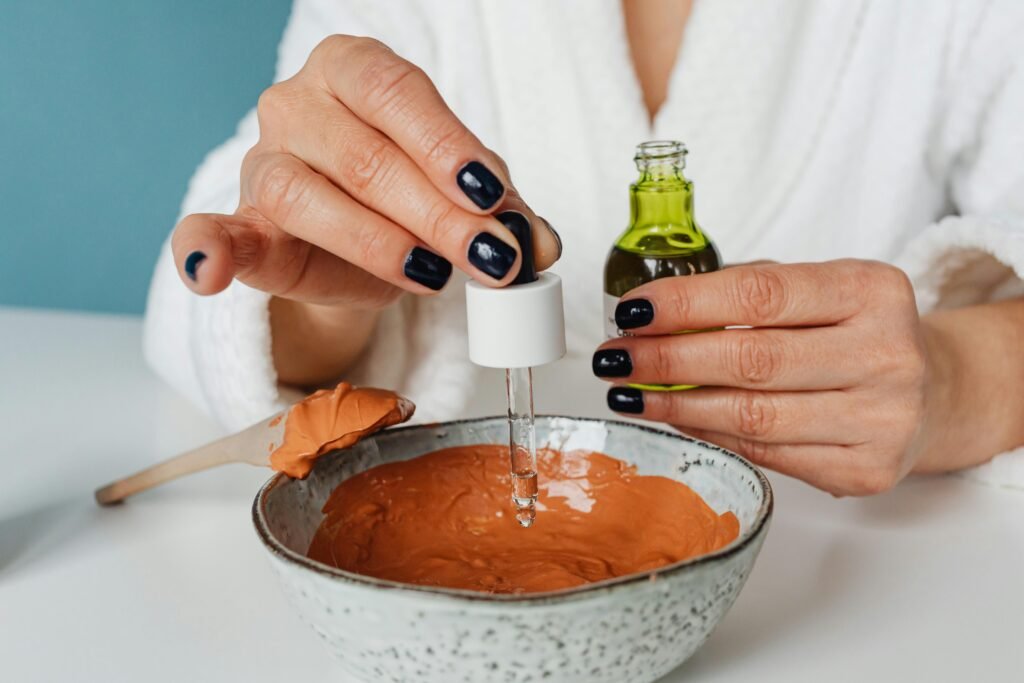
Close-up of spa treatment using clay mask and essential oil.
EU

The EU Expands Restrictions on Silver in Cosmetics: What Brands Need to Know

The European Union is significantly tightening regulations on Silver (CAS No. 7440-22-4) in cosmetic products. Following the entry into force of the Omnibus Act VIII (Commission Regulation (EU) 2026/78) on May 1, 2026, stricter prohibitions and concentration limits took effect. However, because the Scientific Committee on Consumer Safety (SCCS) published an updated final opinion on April 24, 2026, further urgent amendments are already underway. Cosmetic manufacturers exporting to the EU must quickly adapt to this evolving multi-tiered regulatory framework. I. Core Framework of the New Regulations The EU has categorized silver restrictions according to its physical form and particle size (granulometry), as toxicological risks vary significantly by physical structure. The original provisions of the Omnibus Act VIII implemented on May 1, 2026, include: II. The 2026 SCCS Safety Reassessment (SCCS/1687/25) The initial, highly restrictive regulations above were based on an older 2024 SCCS evaluation. However, the industry subsequently submitted new,

The EU Expands Restrictions on Silver in Cosmetics: What Brands Need to Know Read More »

Modern minimalist cosmetic setup with natural shadows creating an elegant feel.
Brazil

Brazil Issues New MERCOSUR “Net Content Labeling” Draft Regulations for Cosmetics: Major Changes for Gel Products

Have you ever noticed whether a cosmetic product package lists its net content in “grams” or “milliliters”? Behind that small print lies a strict set of technical regulations. Recently, Brazil’s National Institute of Metrology, Quality and Technology (Inmetro) published a major draft proposal aimed at comprehensively updating the quantitative labeling rules for cosmetics across the Southern Common Market (MERCOSUR/Mercosul). This update is crucial for export compliance and directly impacts consumer transparency. I. Regulatory Background: Overhauling a 22-Year-Old Rule On April 24, 2026, Inmetro published Public Consultation No. 8 in the Diário Oficial da União (Brazil’s Federal Official Gazette), introducing a new draft of the MERCOSUR Metrological Technical Regulation on the Quantitative Indication for Cosmetics (Draft Resolution No. 02/25). This draft is designated to replace the long-standing GMC Resolution No. 50/00, which has been in effect since 2000, bringing regional requirements in line with modern market developments and international standards under

Brazil Issues New MERCOSUR “Net Content Labeling” Draft Regulations for Cosmetics: Major Changes for Gel Products Read More »

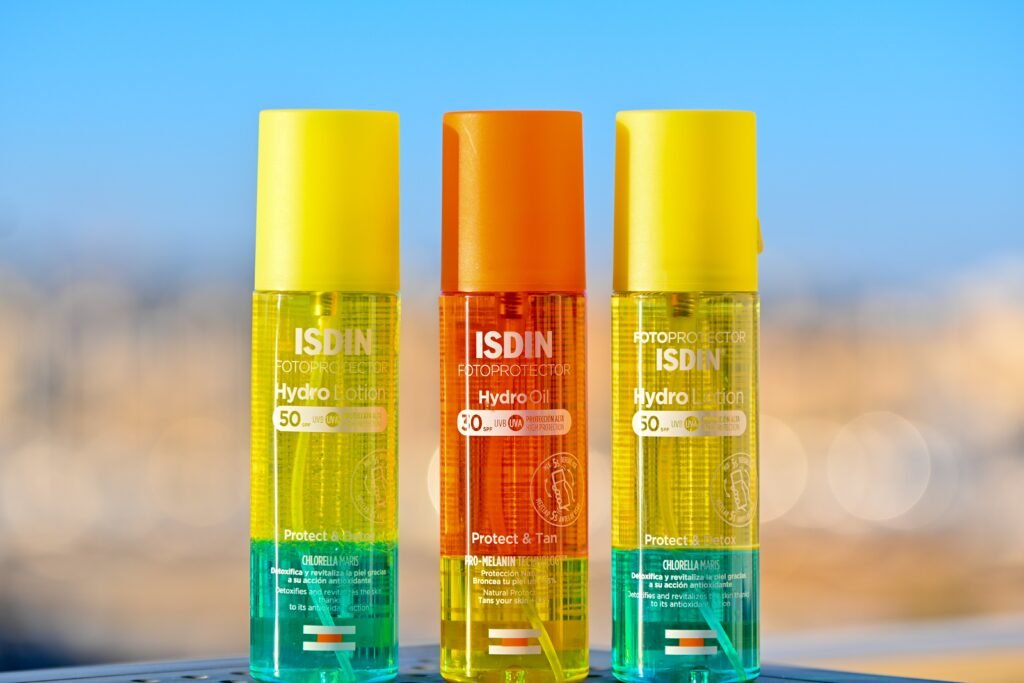
Three colorful ISDIN sun protection bottles against a blurred background, showcasing vibrant packaging.
Australia

Regulatory Shifting Gears: TGA Releases Consultation on Overhauling Australian Sunscreen Oversight

On March 26, 2026, the Australian Therapeutic Goods Administration (TGA) published a comprehensive notice titled “Seeking to Improve the Regulation of Sunscreens in Australia.” This 8-week public consultation stems from Australia’s persistently high incidence of skin cancer and targets deep-seated loopholes in the current oversight framework. Stakeholders must submit their feedback by May 23, 2026. Additionally, a public webinar will be hosted on April 14, 2026, at 1:00 PM (AEST) featuring an expert panel Q&A session to dissect the critical proposals. I. Strategic Context and Drivers for Reform 1. Current Regulatory Landscape Australia categorizes sunscreens into two distinct streams based on their primary function: 2. Core Drivers for the 2026 Reform II. Scope of the Consultation III. Crucial Reform Modules and Proposed Options The TGA has laid out nine distinct reform modules, each weighing the status quo against more rigorous regulatory alternatives: Module 1: SPF Testing Methodologies Module 2: SPF

Regulatory Shifting Gears: TGA Releases Consultation on Overhauling Australian Sunscreen Oversight Read More »

White cosmetic containers and small vase on a pink background showcasing modern design and simplicity.
USA

The Virginia State Humane and Toxin-Free Cosmetics Act: New Prohibitions on High-Risk Ingredients

The Virginia General Assembly introduced a significant legislative proposal designated as House Bill 122 (HB 122), titled the Virginia State Humane and Toxin-Free Cosmetics Act. This legislation amends existing trade laws to prohibit the manufacture, sale, and distribution of cosmetic products containing specific hazardous chemical substances within the Commonwealth. I. Core Legislative Provisions 1. Establishment of the “Toxin-Free Cosmetics” Article The bill introduces Article 2 (“Toxin-Free Cosmetics”) into Chapter 52 of Title 59.1 of the Code of Virginia, establishing a structured framework across the following statutory sections: 2. Schedule of Prohibited Chemical Substances Pursuant to § 59.1-574.2, no individual or corporate entity may manufacture, sell, deliver, offer for sale, or utilize in consumer transactions any cosmetic product containing the following intentionally added substances: No. Banned Substance Name CAS Registry Number 1 Dibutyl phthalate 84–74–2 2 Di(2-ethylhexyl) phthalate 117-81-7 3 Formaldehyde 50–00–0 4 Paraformaldehyde 30525-89-4 5 Methylene glycol 463-57-0 6 Quaternium-15

The Virginia State Humane and Toxin-Free Cosmetics Act: New Prohibitions on High-Risk Ingredients Read More »

Beautiful view of Wat Arun temple by the river in Bangkok during sunset.
Thailand

Interpretation of Thailand’s Microneedle Cosmetic Regulations: Compliance Differences at a Glance

The Thai Food and Drug Administration (Thai FDA) recently released an official infographic regarding the regulatory requirements for microneedle-based cosmetics. The primary objective is to clarify which types of microneedles are permissible as cosmetics and which are strictly prohibited. Below is a breakdown of the core policy points: I. Regulatory Boundaries for Microneedle Products 1. Dissolving Microneedle Patches — Permitted as Cosmetics 2. Non-dissolving Microneedles / Micro-spicules — Prohibited as Cosmetics II. Essential Compliance Actions for Enterprises III. Penalties for Non-compliance (Local Thai Regulations) Subject Penalty Measures Manufacturer / Importer / Distributor Up to 2 years imprisonment and/or a fine of 200,000 Baht Retailer Up to 6 months imprisonment and/or a fine of 50,000 Baht IV. Simplified Compliance Summary Product Type Compliance Status Core Requirements Consequences of Violation Dissolving Microneedle Patch ✅ Permitted Needle length $\le$ 100 $\mu$m; no medical claims; registered as a general cosmetic. Illegal claims are penalized

Interpretation of Thailand’s Microneedle Cosmetic Regulations: Compliance Differences at a Glance Read More »