





Labeling

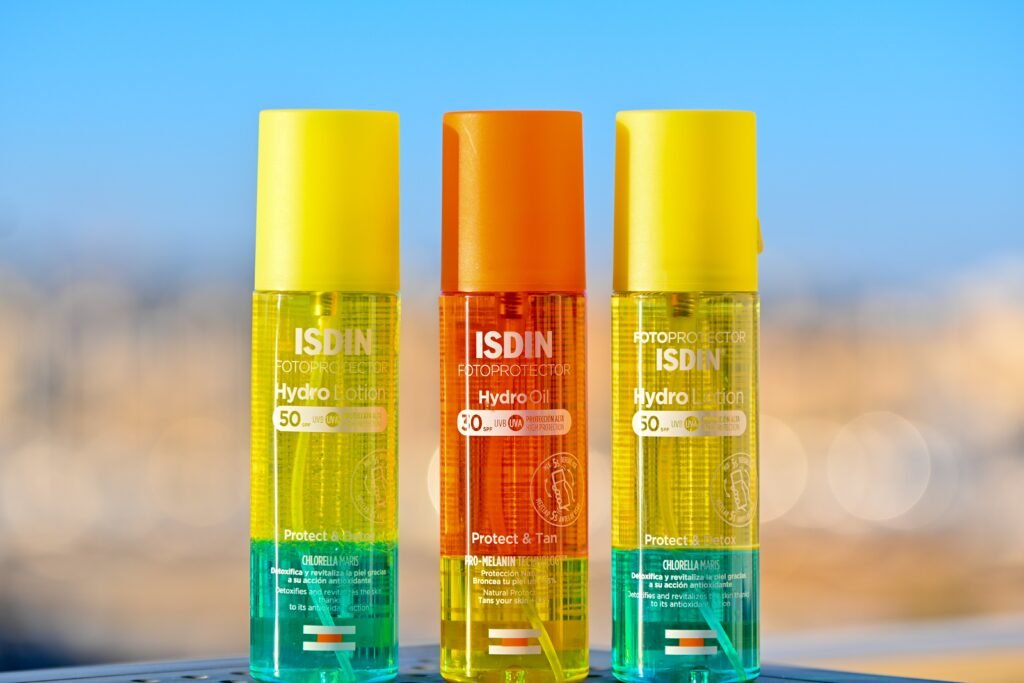
Three cosmetic items displayed against a neutral background for elegant product photography.
Canada

Starting April 2026: Health Canada Requires Disclosure of Fragrance Allergens on Cosmetic Labels

With the continuous global rise in cosmetic regulatory transparency, Health Canada has recently implemented significant updates to the Cosmetic Regulations (SOR/2024-63), requiring the disclosure of fragrance allergen information on cosmetic labels. This update not only impacts the Canadian market but also aligns more closely with European Union (EU) regulations. What does this update mean for brands and consumers? Let’s take a look. Key Requirements and Allergen Disclosure Standards The primary goal of Canada’s fragrance allergen disclosure is to align with European Union (EU) standards, ensuring that consumers—particularly those with fragrance sensitivities—can clearly identify specific allergens rather than seeing them grouped under the generic terms “Parfum” or “Fragrance.” According to the new regulations, specific fragrance allergens must be listed individually on the label only when their concentration exceeds the following thresholds: The Evolution of Transparency: From “Fragrance” to Precise Disclosure For years, the term “Fragrance” provided a safeguard for businesses, allowing

Starting April 2026: Health Canada Requires Disclosure of Fragrance Allergens on Cosmetic Labels Read More »

Colorful eyeshadow palette and lipstick tubes arranged in a flat lay composition.
China Cosmetic

Interpretation of the “Announcement on Matters Relating to the Registration and Notification of Cosmetics (Draft for Comments)”

On March 31, 2026, the Comprehensive Department of the National Medical Products Administration (NMPA) publicly solicited comments on the Announcement on Matters Relating to the Registration and Notification of Cosmetics (Draft for Comments). This draft aims to deepen the reform of cosmetic review and approval and promote high-quality industrial development through eight optimization measures. 1. Encouraging “China First” Launches for New Products To foster a “First-Launch Economy” aligned with high-standard international trade rules: 2. Reduction and Exemption of Animal Testing Data Toxicological test reports may be exempted under specific conditions: 3. Adjusting Management of Ingredient Safety Information 4. Sharing Safety Technical Data for Products with Similar Formulas This clarifies the sharing of safety data among products under the same brand and registrant: Category Core Rules Site Change Requirements Definition of Similar Formula Applicable Entities: Multiple products (incl. toothpaste) of the same brand under one registrant. Select one representative product for

Interpretation of the “Announcement on Matters Relating to the Registration and Notification of Cosmetics (Draft for Comments)” Read More »

A scientist using pipette for chemical analysis in a laboratory with test tubes and protective gloves.
China Cosmetic

Regulations for Cosmetic Registration and Notification Testing

The Work Specifications for Cosmetic Registration and Notification Testing apply to all testing activities related to the registration and notification of cosmetics within the People’s Republic of China. This includes microbiological testing, physical and chemical (physicochemical) testing, toxicological testing, and human safety and efficacy evaluations. Table 1: Microbiological Testing Items Testing Item General Cosmetics ①② Special Cosmetics: Anti-hair loss ② Special Cosmetics: Hair Dyeing ③ Special Cosmetics: Hair Perming Special Cosmetics: Spot-clearing / Whitening Special Cosmetics: Sunscreen Total Plate Count ○ ○ ○ ○ Total Mold & Yeast Count ○ ○ ○ ○ Thermotolerant Coliform Bacteria ○ ○ ○ ○ Staphylococcus aureus ○ ○ ○ ○ Pseudomonas aeruginosa ○ ○ ○ ○ Notes: Table 2: Physicochemical Testing Items Testing Item General Cosmetics Anti-hair loss Hair Dyeing Hair Perming Spot-clearing / Whitening Sunscreen Mercury ○ ○ ○ ○ ○ ○ Lead ○ ○ ○ ○ ○ ○ Arsenic ○ ○ ○

Regulations for Cosmetic Registration and Notification Testing Read More »

Stylish flatlay of various makeup products on a soft peach background.
China Cosmetic

Regulations for Imported Cosmetics

Special Cosmetics may only be produced or imported after registration with the medical products administration department under the State Council. Imported General Cosmetics must be filed (notified) with the medical products administration department under the State Council prior to importation. Regulations on Data Submission When applying for the registration of imported special cosmetics or the notification of imported general cosmetics, applicants must simultaneously submit documents proving that the product is already marketed and sold in the country (region) of origin, as well as documentation proving that the overseas manufacturer complies with Cosmetic Good Manufacturing Practices (GMP). If a product is manufactured specifically for export to China and a certificate of sale from the country of origin cannot be provided, research and test data conducted specifically for Chinese consumers must be submitted instead. Regulations on Chinese Labeling Imported cosmetics may either use an original Chinese label or have a Chinese label

Regulations for Imported Cosmetics Read More »

Australia

Urgent Alert! TGA Cracks Down on Sunscreen Labeling: A Compliance Guide for Enterprises

On January 23, 2026, the Australian Therapeutic Goods Administration (TGA) issued a special statement regarding sunscreen labeling specifications. The notice specifically targets the illegal practice of “multiple products under one code”—where companies use a single AUST number (Australian Therapeutic Goods Identifier) for multiple sunscreens with different names or uses, or where label information does not match the Australian Register of Therapeutic Goods (ARTG) listing. This regulatory crackdown has already led to the removal of several sunscreens from the Australian market. For international cosmetic companies operating in or planning to enter Australia, prioritizing labeling compliance is essential to avoid legal disputes. I. TGA “Red Lines”: Three Essential Compliance Requirements Under the Australian regulatory framework, sunscreens are classified as “therapeutic goods” and must strictly adhere to the Therapeutic Goods Act 1989. The core requirements are: II. Three Steps for Emergency Rectification To mitigate the risk of product delisting, companies should take the

Urgent Alert! TGA Cracks Down on Sunscreen Labeling: A Compliance Guide for Enterprises Read More »