







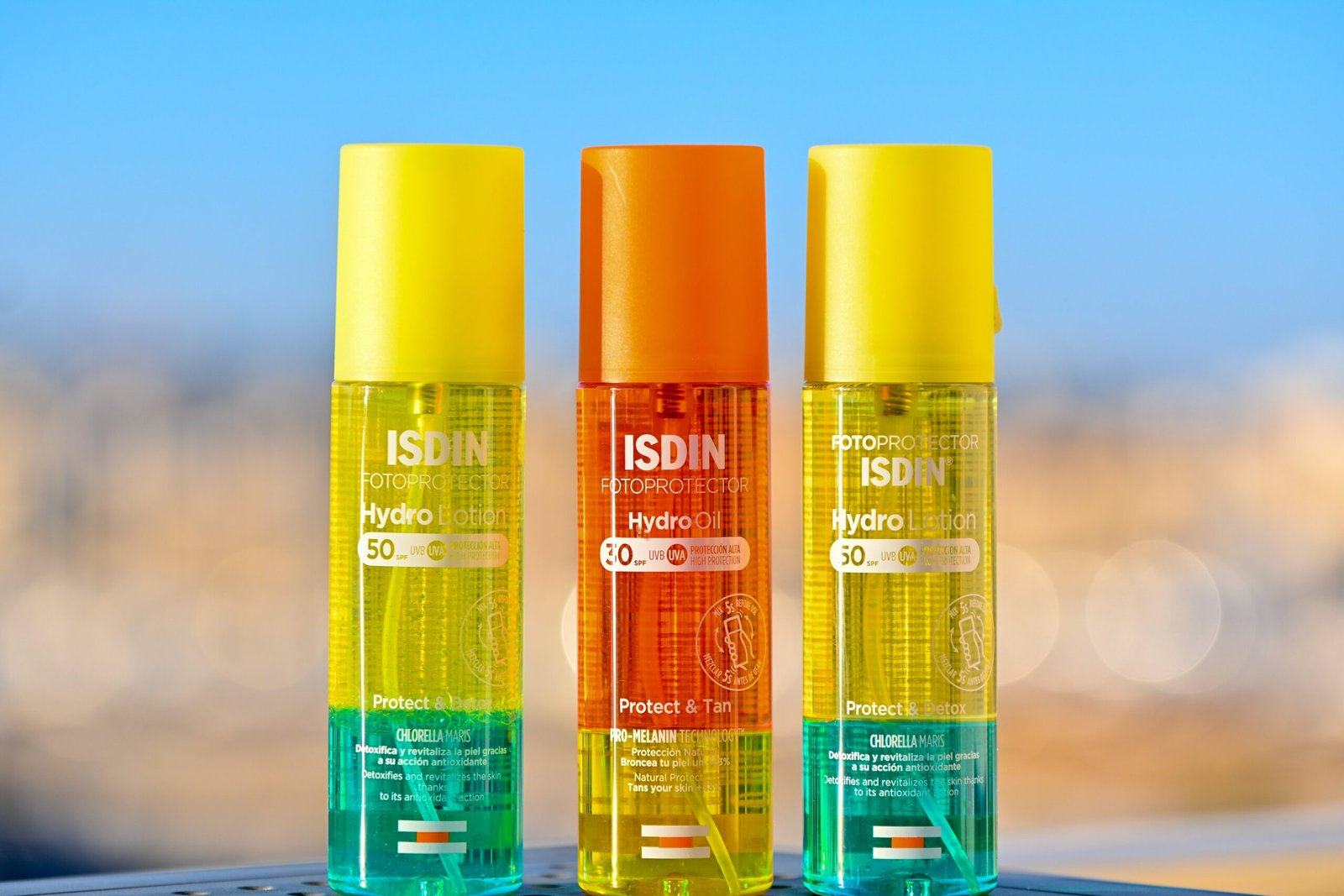
Le 26 mars 2026, l'administration australienne des produits thérapeutiques (TGA) a publié un avis complet intitulé “Chercher à améliorer la réglementation des écrans solaires en Australie.” Cette consultation publique de 8 semaines découle de l'incidence persistently élevée de cancers de la peau en Australie et vise des lacunes profondes dans le cadre de contrôle actuel.
Les parties prenantes doivent soumettre leurs commentaires avant 23 mai 2026. De plus, un webinaire public sera organisé le 14 avril 2026 à 13h00 (AEST) avec une session de questions-réponses animée par un panel d'experts pour analyser les propositions critiques.
I. Contexte stratégique et moteurs de la réforme
1. Paysage réglementaire actuel
L'Australie classe les écrans solaires en deux catégories distinctes en fonction de leur fonction principale :
- Écrans solaires thérapeutiques : Réglementés en tant que médicaments enregistrés par la TGA. Ils doivent être inscrits dans l'Australian Register of Therapeutic Goods (ARTG) et sont soumis à une surveillance stricte après la mise sur le marché.
- Crèmes solaires cosmétiques : Partiellement exempté des lois sur les produits thérapeutiques. La sécurité des ingrédients relève de l'Australian Industrial Chemicals Introduction Scheme (AICIS), tandis que les allégations d'étiquetage sont supervisées par l'Australian Competition and Consumer Commission (ACCC).
- Normes fondamentales Les deux flux utilisent le AS/NZS 2604:2021 standard en parallèle avec les méthodes d'essai ISO connexes.
2. Principaux moteurs de la réforme de 2026
- Scandales domestiques : Un rapport accablant de 2025 du groupe de consommateurs CHOIX révélé que sur 20 crèmes solaires testées revendiquant un FPS 50/50+, 18 n'ont pas satisfait leurs revendications, dont un chutant jusqu'à un indice de protection solaire (FPS) de 4. Par ailleurs, une enquête de l'ABC a découvert que de multiples produits commerciaux utilisaient des numéros d'enregistrement ARTG identiques, portant gravement atteinte à la confiance du public.
- Alignement international : Examen continu de la sécurité des filtres UV par la FDA américaine et Publication 2024 de nouvelles méthodologies ISO de test **in vitro** du FPS ont fait pression sur l'Australie pour qu'elle mette à jour ses règles.
- Vulnérabilités systémiques : Le cadre existant souffre d'une variabilité intra-laboratoire élevée en in vivo tests, une mauvaise supervision des laboratoires d'essai, un manque de tests obligatoires sur les produits finis et des affirmations chaotiques sur les FPS élevés des produits cosmétiques.
II. Champ de la consultation
- Éléments inclus dans le périmètre : In vivo/in vitro Protocoles de test FPS, modèles d'accréditation de laboratoire, flux de travail de soumission de données obligatoires, stabilité du produit fini, vérification de la durée de conservation et règles plus strictes pour les exclusions cosmétiques à FPS élevé.
- Hors du champ d'application (géré en externe) : Examens de sécurité chimique immédiats (examens de sécurité pour benzophénone et 7 ingrédients actifs ont été achevés en 2025 ; consultations sur l'abaissement des concentrations maximales pour homosalate et benzophénone (début 2026), des réglementations dédiées aux crèmes solaires pour enfants, et des instructions d’étiquetage pour les nouvelles formes galéniques.
III. Modules de réforme cruciaux et options proposées
La TGA a présenté neuf modules de réforme distincts, chacun pesant le statu quo par rapport à des alternatives réglementaires plus rigoureuses :
Module 1 : Méthodologies de test SPF
- Option 1 (Statu quo) : Maintenir actuel in vivo protocoles de test. Inconvénients : Très variable, problèmes éthiques liés à l'exposition humaine aux UV, coûteux, cycles de test longs.
- Option 2 (Cadre Hybride) : Permettre un choix entre in vivo et le nouvellement validé méthodes in vitro ISO. Avantages : reproductibilité plus élevée, coûts inférieurs, éthiquement supérieur. Inconvénients : nécessite une refonte législative ; manque actuellement de protocoles matures de résistance à l'eau.
- Option 3 (In vitro obligatoire) Forcer tous les tests à se déplacer in vitro. Inconvénients : Pas encore reconnu par AS/NZS 2604 ; ne couvre pas adéquatement certaines formes posologiques nouvelles ou les revendications de résistance à l'eau.
Module 2 : Surveillance du laboratoire de test SPF
- Option 1 (Statu quo) : La TGA procède à des vérifications de base de la crédibilité ; aucune accréditation de laboratoire obligatoire. Inconvénients : Données peu fiables, application tardive.
- Option 2 (ISO 17025 obligatoire) Exiger que tous les centres de test détiennent accréditation ISO 17025. Avantages : Améliore considérablement la fiabilité des données. Inconvénients : Il existe très peu de laboratoires conformes aux normes mondiales, ce qui crée un goulot d'étranglement potentiel en matière de tests pour les marques.
Module 3 : Mécanisme d'adoption des normes de test
- Option 1 (Statu quo) : Garder la norme AS/NZS 2604 codifiée en dur dans la réglementation des produits thérapeutiques. Inconvénients : Retard important dans l'adoption des normes internationales de pointe.
- Option 2 (Référence directe par acte législatif) Référence directe à AS/NZS 2604 par le biais d'un outil législatif flexible. Avantages : Mises à jour réglementaires plus rapides tout en conservant les nuances locales.
- Option 3 (Référence directe aux normes ISO) : Contourner les normes locales pour référencer directement les normes internationales ISO. Avantages : Harmonisation mondiale instantanée. Inconvénients : Risque de découplage de la synergie réglementaire avec la Nouvelle-Zélande.
Module 4 : Portée du test SPF (Formule vs. Produit fini)
- Option 1 (Statu quo) : Permettre aux marques de revendiquer un FPS basé sur un test de “formule de base”. Inconvénients : Des modifications mineures pendant la fabrication peuvent entraîner une performance du produit final inférieure à celle revendiquée en matière de SPF.
- Option 2 (Formule de base + Lignes directrices post-changement) Permettre les tests de base mais fournir des directives non contraignantes sur la fréquence à laquelle une modification nécessite de nouveaux tests. Inconvénients : Manque de force juridique pour garantir la conformité.
- Option 3 (Tests obligatoires sur le produit fini) Forcer les tests sur les produits finis avant leur mise sur le marché, complétés par des tests obligatoires de durée de conservation et de validation de la durée de conservation. Avantages : Protection absolue des consommateurs. Inconvénients : Coûts de R&D croissants et délais de mise sur le marché prolongés pour les marques.
Module 5 : Soumission des données de test SPF
- Option 1 (Statu quo) : Les données ne sont fournies que si elles sont explicitement demandées par la TGA lors d'un audit post-commercialisation. Inconvénients : Aucune vérification avant mise sur le marché.
- Option 2 (Soumission confidentielle avant mise en marché) Obligez les entreprises à télécharger en toute sécurité l'intégralité des données brutes des tests lors de l'inscription à l'ARTG. Avantages : Permet une vérification proactive tout en protégeant les secrets commerciaux.
- Option 3 (Divulgation publique obligatoire) : Exiger que toutes les données brutes des tests soient accessibles au public. Avantages : Transparence maximale. Inconvénients : Exposition de la propriété intellectuelle et risque d'interprétation erronée par le public des données complexes du laboratoire.
Module 6 : Contrôle Qualité des Matières Premières et de la Formulation
- Option 1 (Statu quo) : S'appuyer sur les normes générales existantes. Inconvénients : Échoue à contrôler les variables de lot à lot comme la taille des particules d'oxyde de zinc ou la pureté des filtres UV, entraînant des valeurs SPF instables.
- Option 2 (Spécifications techniques des matières premières spécifiques) Légiférer sur des spécifications strictes pour la pureté des filtres UV et la distribution granulométrique. Avantages : Stabilise la production manufacturière. Inconvénients : Gonfle les coûts de production et de la chaîne d'approvisionnement.
- Option 3 (Reclassification de tous les écrans solaires comme médicaments enregistrés) Déplacer les écrans solaires de la catégorie “ listés ” à celle des médicaments “ enregistrés ”, nécessitant des évaluations exhaustives avant la mise sur le marché de la sécurité, de la qualité et de l'efficacité par la TGA. Points négatifs : Bouleverse le marché commercial, provoque d'énormes retards et nécessite une refonte des infrastructures de personnel de la TGA.
Module 7 : Représentation des étiquettes SPF
- Option 1 (Statu quo) : Conserver les valeurs numériques linéaires actuelles de l'IP (par exemple, IP 30, IP 50+). Inconvénients : Les consommateurs comprennent souvent mal la relation non linéaire de la protection UV (par exemple, ils pensent que SPF 50 est deux fois plus efficace que SPF 25).
- Option 2 (Étiquettes explicatives contextuelles) Mention obligatoire de phrases explicatives (par exemple, “ Un indice SPF 30 filtre environ 97% des rayons UVB ”). Avantages : Éducation des consommateurs plus claire. Inconvénients : L'espace réel de l'étiquette est gravement limité.
- Option 3 (Étiquettes de niveau catégorielles) Éloignez-vous des chiffres pour des niveaux généraux (Bas / Moyen / Élevé / Très Élevé) associés à des icônes graphiques. Inconvénients : s'écarte considérablement des normes mondiales de l'industrie, nécessitant une rééducation majeure des consommateurs.
Module 8 : Crèmes solaires cosmétiques à indice de protection solaire (FPS) élevé
- Option 1 (Statu quo) : Les fonds de teint teintés, les baumes à lèvres et les hydratants peuvent revendiquer jusqu'à un FPS 50+ tout en restant exemptés de la réglementation thérapeutique. Inconvénients : Double standard réglementaire. Les consommateurs les utilisent souvent comme écrans solaires principaux, s'exposant à des dommages cutanés en raison d'une épaisseur d'application insuffisante.
- Option 2 (Étiquettes d'avertissement obligatoires) Forcer les cosmétiques secondaires à afficher des avertissements clairs comme “ Crème solaire cosmétique uniquement – Pas une crème solaire primaire. ” Avantages : Atténue les risques sans étouffer la variété des produits.
- Option 3 (Limiter les affirmations SPF permises) Restreindre les exemptions cosmétiques secondaires à une réclamation maximale de SPF 15 ou faible protection. Tout dosage supérieur doit être enregistré comme médicament thérapeutique. Inconvénients : Restreint considérablement le potentiel marketing et force des reformulations massives à l'échelle de l'industrie.
Module 9 : Lignes directrices BPF pour la fabrication
- Option 1 (Statu quo) : S'appuyer sur les documents GMP généralisés. Inconvénients : Ambiguïté concernant la division précise des responsabilités entre les propriétaires de marques et les fabricants sous contrat.
- Option 2 (Annexe BPF du filtre solaire ciblé) Élaborer une annexe spécifique aux BPF décrivant les attributs de qualité critiques (CQA), les paramètres critiques du processus et la répartition claire des responsabilités contractuelles en cas de sous-traitance de la fabrication. Avantages : Améliore la cohérence des lots et minimise les échappatoires en matière de conformité.
IV. Autres mises à jour parallèles du framework
- Sécurité des substances chimiques : Suite à l'achèvement des examens de sécurité pour sept ingrédients actifs de crème solaire et la benzophénone fin 2025, la TGA a lancé des consultations publiques début 2026 visant à restreindre les limites maximales admissibles pour homosalate et benzophénone.
- Crèmes solaires pour enfants : En raison de risques physiologiques uniques, la TGA prévoit une consultation distincte et dédiée pour aborder les limites de formulation spécifiques et les seuils de sécurité pour les écrans solaires pédiatriques.
- Nouveaux mécanismes de livraison : Des consultations sont en cours pour remplacer l'ancienne norme TGO 92 par un cadre unifié régissant les instructions d'application et l'étiquetage des dosages pour les formats aérosol, pulvérisateur et pompe.
- Montée en compétence professionnelle : Pour assurer une transition en douceur, la TGA déploiera des modules d'apprentissage électronique et des cycles de webinaires structurés tout au long du reste de l'année 2026.