
Testing

EU

Expanding into the EU Cosmetic Market: Are You Prepared for These Testing Requirements?

As Chinese beauty brands surge in global popularity, an increasing number of companies are setting their sights on overseas expansion, with the European market standing out as a highly lucrative destination. However, the European Union is renowned within the industry for enforcing some of the world’s most rigorous cosmetic regulations. Before any product sets foot on European soil, brand owners must ensure it is safe for human health, fully documented, and strictly compliant with Regulation (EC) No 1223/2009 (the EU Cosmetics Regulation). Testing is an indispensable milestone throughout this intricate compliance journey. A foundational yet critical question frequently asked by expanding brands is: “What testing is mandatory before my product can be launched in the EU?” The precise answer is: It depends. The EU does not prescribe a rigid, one-size-fits-all “testing checklist.” Testing requirements fluctuate depending on formula matrix, product category, microbiological susceptibility, packaging materials, target audience, intended use, and

Expanding into the EU Cosmetic Market: Are You Prepared for These Testing Requirements? Read More »

Colorful eyeshadow palette and lipstick tubes arranged in a flat lay composition.
China Cosmetic

Interpretation of the “Announcement on Matters Relating to the Registration and Notification of Cosmetics (Draft for Comments)”

On March 31, 2026, the Comprehensive Department of the National Medical Products Administration (NMPA) publicly solicited comments on the Announcement on Matters Relating to the Registration and Notification of Cosmetics (Draft for Comments). This draft aims to deepen the reform of cosmetic review and approval and promote high-quality industrial development through eight optimization measures. 1. Encouraging “China First” Launches for New Products To foster a “First-Launch Economy” aligned with high-standard international trade rules: 2. Reduction and Exemption of Animal Testing Data Toxicological test reports may be exempted under specific conditions: 3. Adjusting Management of Ingredient Safety Information 4. Sharing Safety Technical Data for Products with Similar Formulas This clarifies the sharing of safety data among products under the same brand and registrant: Category Core Rules Site Change Requirements Definition of Similar Formula Applicable Entities: Multiple products (incl. toothpaste) of the same brand under one registrant. Select one representative product for

Interpretation of the “Announcement on Matters Relating to the Registration and Notification of Cosmetics (Draft for Comments)” Read More »

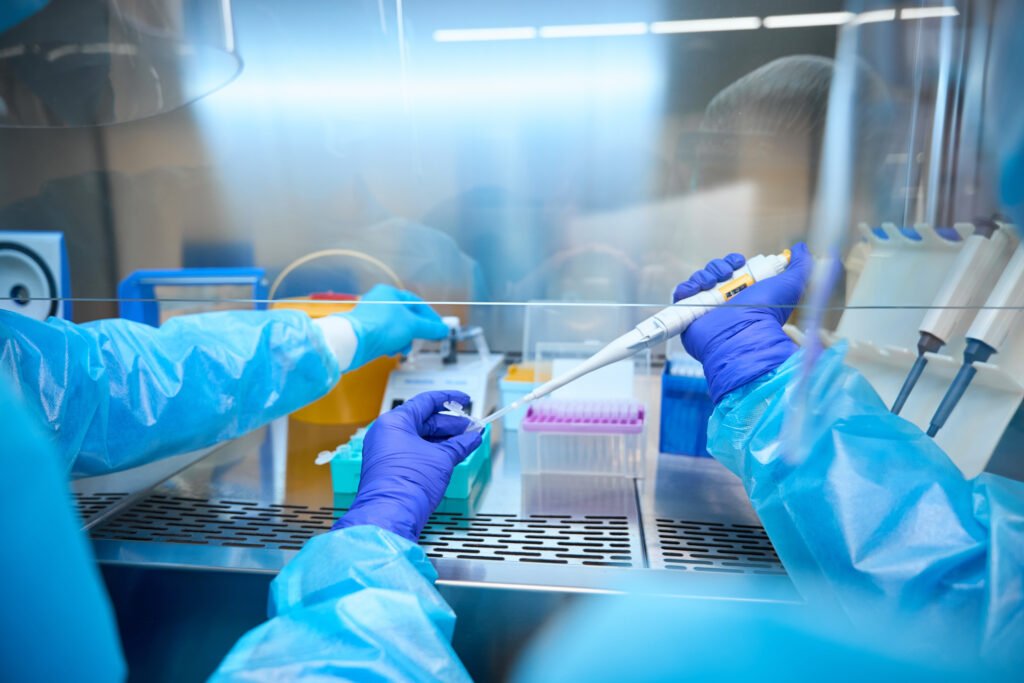
A scientist using pipette for chemical analysis in a laboratory with test tubes and protective gloves.
China Cosmetic

Regulations for Cosmetic Registration and Notification Testing

The Work Specifications for Cosmetic Registration and Notification Testing apply to all testing activities related to the registration and notification of cosmetics within the People’s Republic of China. This includes microbiological testing, physical and chemical (physicochemical) testing, toxicological testing, and human safety and efficacy evaluations. Table 1: Microbiological Testing Items Testing Item General Cosmetics ①② Special Cosmetics: Anti-hair loss ② Special Cosmetics: Hair Dyeing ③ Special Cosmetics: Hair Perming Special Cosmetics: Spot-clearing / Whitening Special Cosmetics: Sunscreen Total Plate Count ○ ○ ○ ○ Total Mold & Yeast Count ○ ○ ○ ○ Thermotolerant Coliform Bacteria ○ ○ ○ ○ Staphylococcus aureus ○ ○ ○ ○ Pseudomonas aeruginosa ○ ○ ○ ○ Notes: Table 2: Physicochemical Testing Items Testing Item General Cosmetics Anti-hair loss Hair Dyeing Hair Perming Spot-clearing / Whitening Sunscreen Mercury ○ ○ ○ ○ ○ ○ Lead ○ ○ ○ ○ ○ ○ Arsenic ○ ○ ○

Regulations for Cosmetic Registration and Notification Testing Read More »

China Cosmetic

Provisions Concerning the Exemption of Toxicological Testing

Product testing reports for registration or notification must be issued by a designated cosmetic testing agency and comply with the Safety and Technical Standards for Cosmetics, the Work Specifications for Cosmetic Registration and Notification Testing, and other relevant regulations. Product testing reports include toxicological test reports. The Safety and Technical Standards for Cosmetics is gradually incorporating alternative non-animal testing methods. I. General Exemption for General Cosmetics Manufacturing enterprises of General Cosmetics may be exempted from submitting toxicological test reports for a product if they meet the following two conditions: II. Exceptions (Exemption Does Not Apply) The exemption from toxicological testing does not apply if any of the following conditions exist: III. Requirements for Multiple Manufacturers In cases where a product is produced by multiple manufacturing enterprises, the exemption from toxicological testing is only applicable if all participating manufacturers have obtained QMS certifications issued by their respective local government authorities. Have

Provisions Concerning the Exemption of Toxicological Testing Read More »

blush, cream blush, cosmetics, blusher, makeup, cosmetic products, blush, blush, blush, blush, blush, makeup, makeup
China Cosmetic

NIFDC Solicits Public Comments on Six Microbiological Testing Methods for Cosmetics

To all relevant organizations: To further improve the technical standards for cosmetics, the National Institutes for Food and Drug Control (NIFDC) has organized the development and revision of six cosmetic standard drafts for public comment, including the General Rules for Microbiological Testing Methods in Cosmetics (Attachments 1–6). We are now formally soliciting public feedback. Please submit your comments through the “Cosmetic Standard Development and Revision Management System” (https://www.nifdc.org.cn/nifdc/bshff/hzhpbzh/hzhpbzhxt/index.html) as required. The deadline for submission is March 22, 2026. Attachments: National Institutes for Food and Drug Control (NIFDC) February 6, 2026 Have Questions?

NIFDC Solicits Public Comments on Six Microbiological Testing Methods for Cosmetics Read More »