




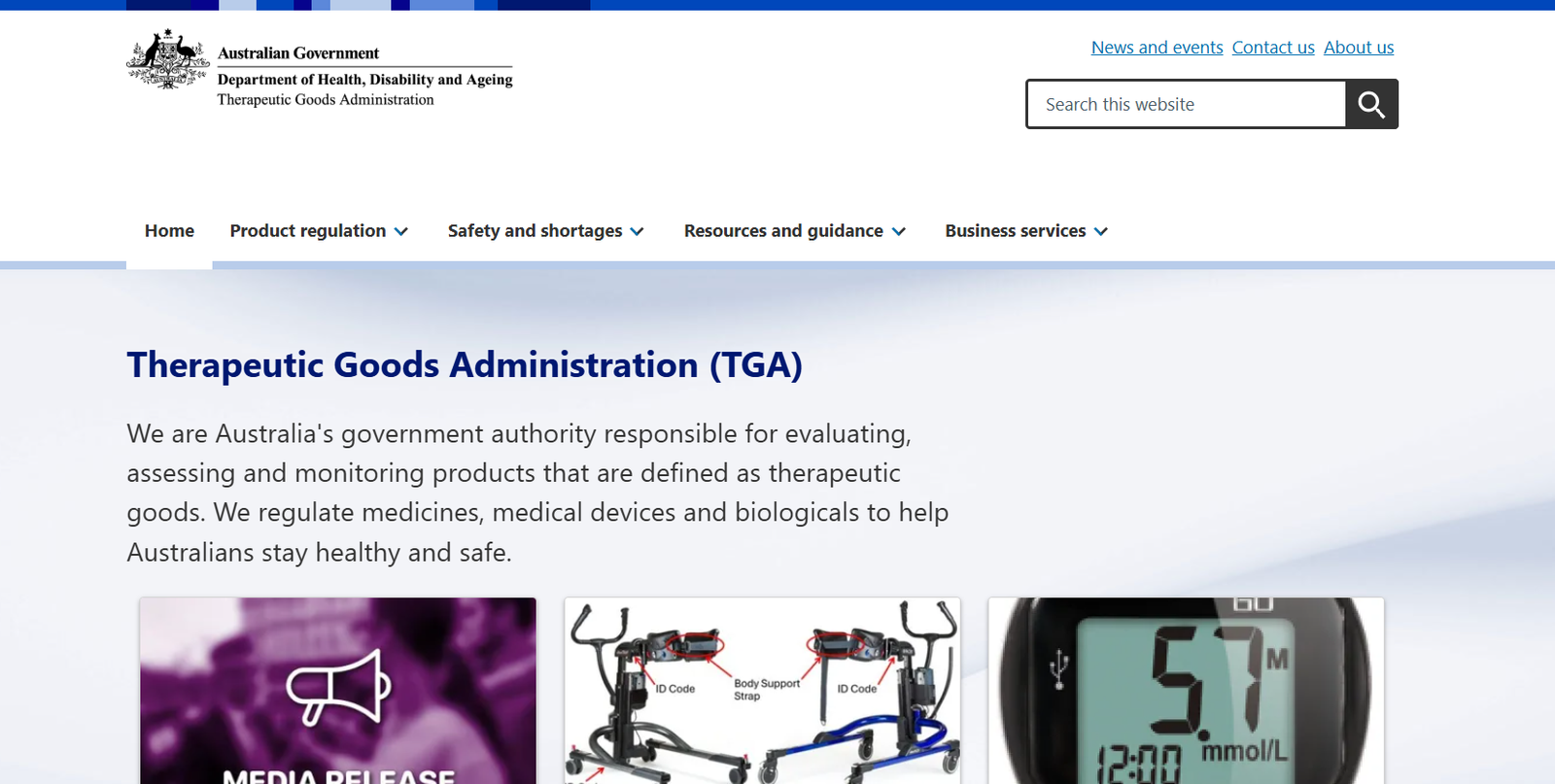
On January 23, 2026, the Australian Therapeutic Goods Administration (TGA) issued a special statement regarding sunscreen labeling specifications. The notice specifically targets the illegal practice of “multiple products under one code”—where companies use a single AUST number (Australian Therapeutic Goods Identifier) for multiple sunscreens with different names or uses, or where label information does not match the Australian Register of Therapeutic Goods (ARTG) listing. This regulatory crackdown has already led to the removal of several sunscreens from the Australian market. For international cosmetic companies operating in or planning to enter Australia, prioritizing labeling compliance is essential to avoid legal disputes.
I. TGA “Red Lines”: Three Essential Compliance Requirements
Under the Australian regulatory framework, sunscreens are classified as “therapeutic goods” and must strictly adhere to the Therapeutic Goods Act 1989. The core requirements are:
- AUST Number Consistency: Sunscreens intended primarily for UV protection must be listed on the ARTG via one of two paths:
- Listed Goods (AUST L): For topical application meeting specific standards (Schedule 4, Item 7 of the Therapeutic Goods Regulations 1990).
- Registered Goods (AUST R): For products that are not topically applied or do not meet listing criteria, requiring a higher threshold of review.
- If a product lacks an AUST number on its label, it is considered illegal. The number on the label must match the specific ARTG entry.
- Product Name Consistency: The product name on the label must exactly match the name registered in the ARTG for that specific AUST number. Even if a label has a valid AUST number, a mismatched name renders the product “unlisted” and therefore illegal.
- Indications and SPF Consistency: All therapeutic claims (indications), SPF ratings, and water resistance grades on the label must align perfectly with the information recorded in the ARTG.
II. Three Steps for Emergency Rectification
To mitigate the risk of product delisting, companies should take the following actions:
- Audit Label Consistency: Retrieve all ARTG data for products currently on sale and compare the AUST numbers, product names, and indications against the physical labels. Pay close attention to “white-label” or custom-labeled products, as these are high-priority targets for TGA audits.
- Cease Non-Compliant Sales: If discrepancies are found, immediately stop production, supply, and advertising. To resume sales, you must apply for a new ARTG entry with the correct product name and indications, supported by valid efficacy evidence (e.g., SPF testing) per Section 26A of the Act.
- Seek Professional Support: If you are uncertain about product classification or the ARTG application process, consult a compliance advisor familiar with Australian regulations.
III. Escalated Enforcement Measures
The TGA has launched several enforcement actions that companies must monitor:
- Active Screening & Targeted Notifications: The TGA is continuously reviewing the supply chain, with a focus on white-label and bespoke products.
- Four Tiers of Penalties: Non-compliance may result in:
- Enforceable Directions: Orders to sequester, relabel, or destroy products.
- Infringement Notices: Formal written warnings with deadlines for correction.
- Civil Penalties: Significant monetary fines.
- Criminal Prosecution: For severe cases, referral to the Commonwealth Director of Public Prosecutions.
- Market Impact: Retailers are already removing non-compliant stock. Consumers are being encouraged to verify products by entering AUST numbers directly into the public ARTG database.
IV. Expanding into Australia: Compliance as a Prerequisite
Australia maintains some of the world’s strictest cosmetic regulations. Sunscreen requirements are significantly higher than those for general cosmetics. This update is a critical wake-up call for companies relying on overseas OEM/ODM or private labeling:
- Avoid “Assumptive” Compliance: Do not apply domestic standards to the Australian market. For example, products classified as “special-use cosmetics” in other regions are often “therapeutic goods” in Australia. Never “reuse” an existing AUST L code for a different product.
- Post-Market Obligations: Ensure your Australian “Sponsor” is professionally competent. Even after ARTG listing, companies must maintain sales records, monitor safety, and report adverse events to the TGA promptly.
Compliance Tip: Compliance in overseas markets requires staying synchronized with local regulatory updates. The TGA’s transition to “precision management” of labels means “trial and error” is no longer an option. Only through timely rectification and a compliance-first strategy can long-term stability be achieved.